English


News
-
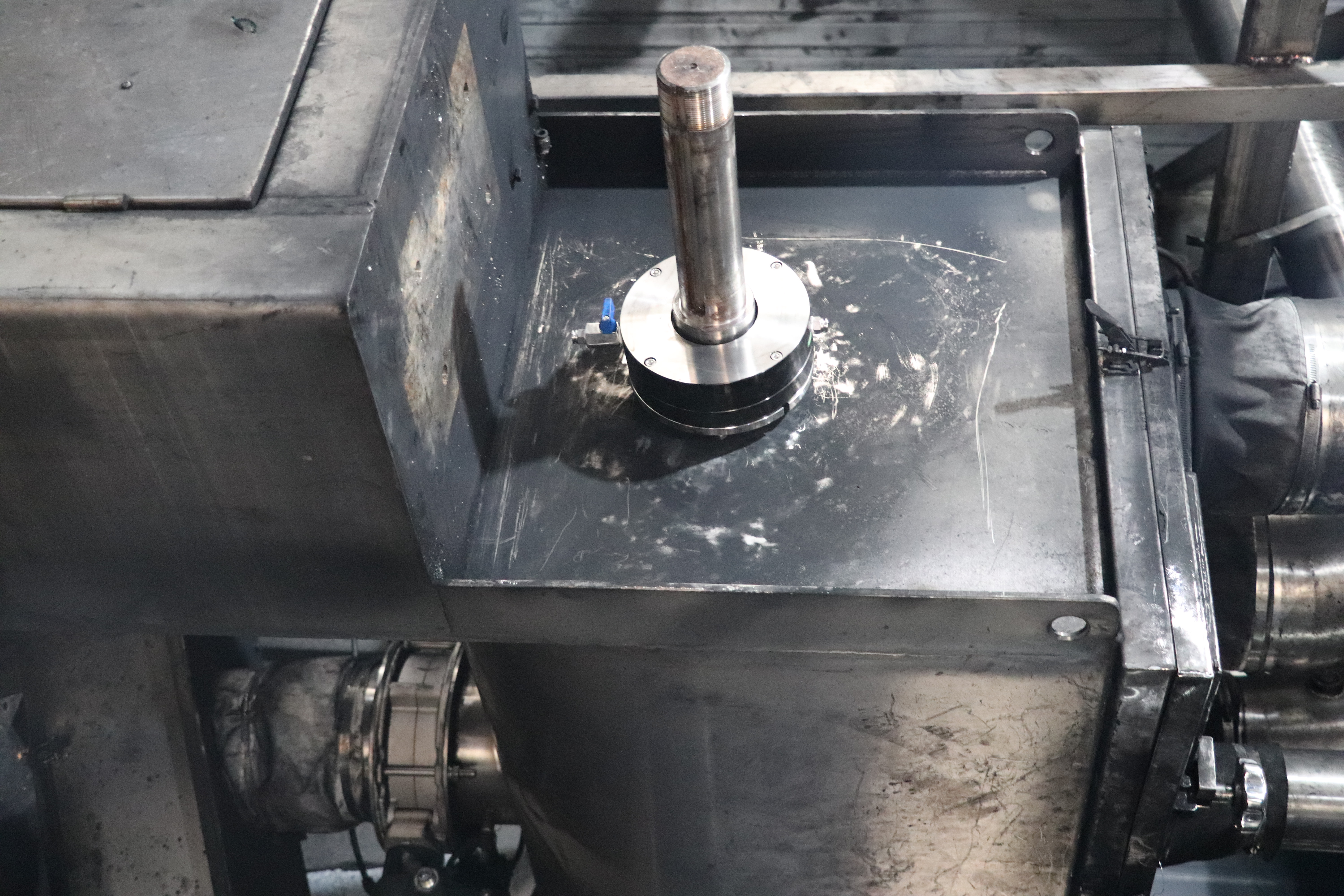
Rotary Seal Failure Modes and How to Diagnose Them
Rotary seals are designed to operate reliably under continuous motion, but when they fail, the consequences often include leakage, contamination, and unplanned equipment shutdowns. Identifying the specific failure mode is the first step toward an effective solution. Different symptoms usually point to different root causes.
-
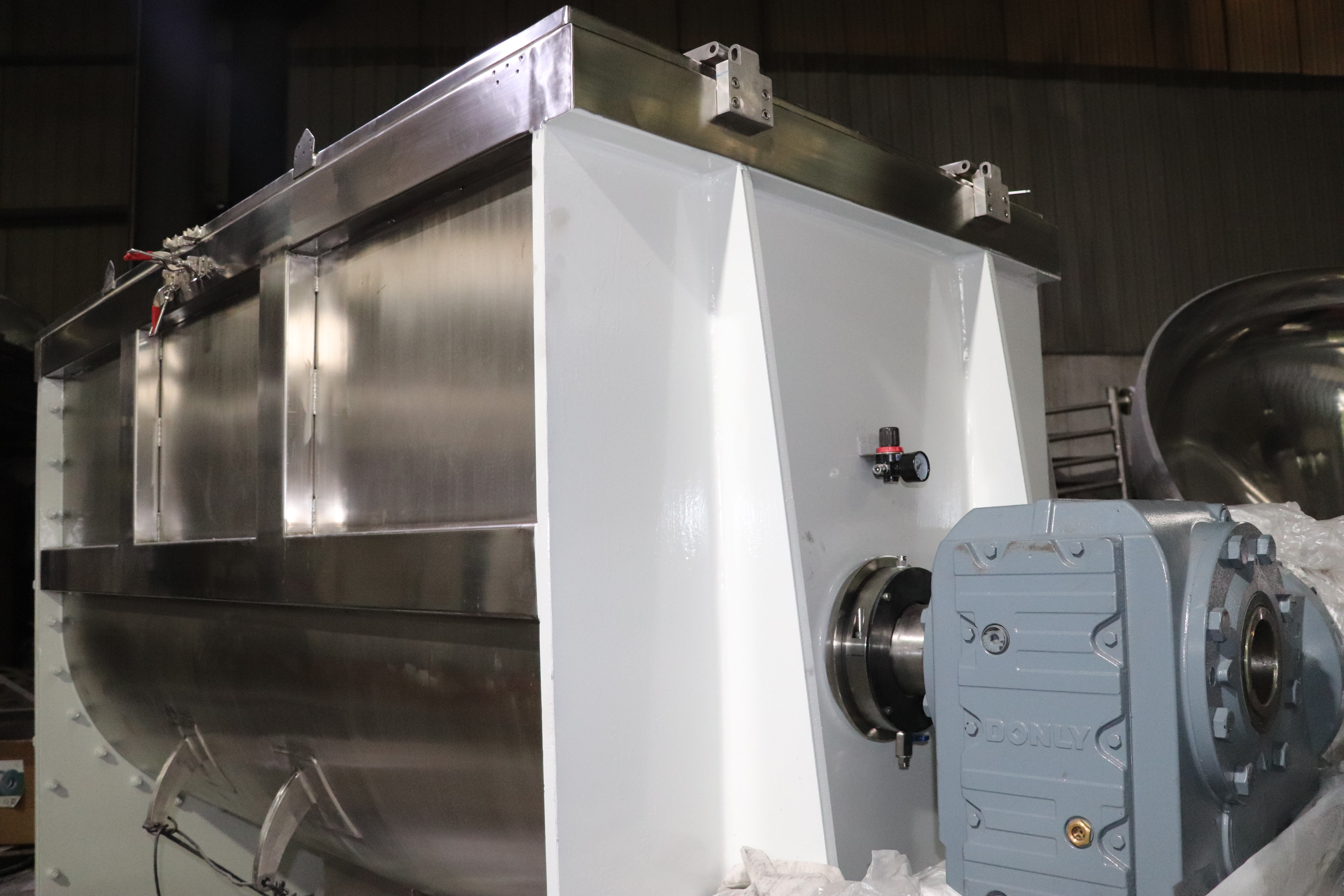
How to Prevent Shaft Wear from Damaging the Seal Contact Surface
Shaft wear at the seal contact surface is a common cause of leakage and premature seal failure in rotating equipment. Once wear grooves form on the shaft, even a new seal may struggle to maintain an effective sealing line. Preventing shaft wear is therefore essential for protecting both the seal and the overall system.
-
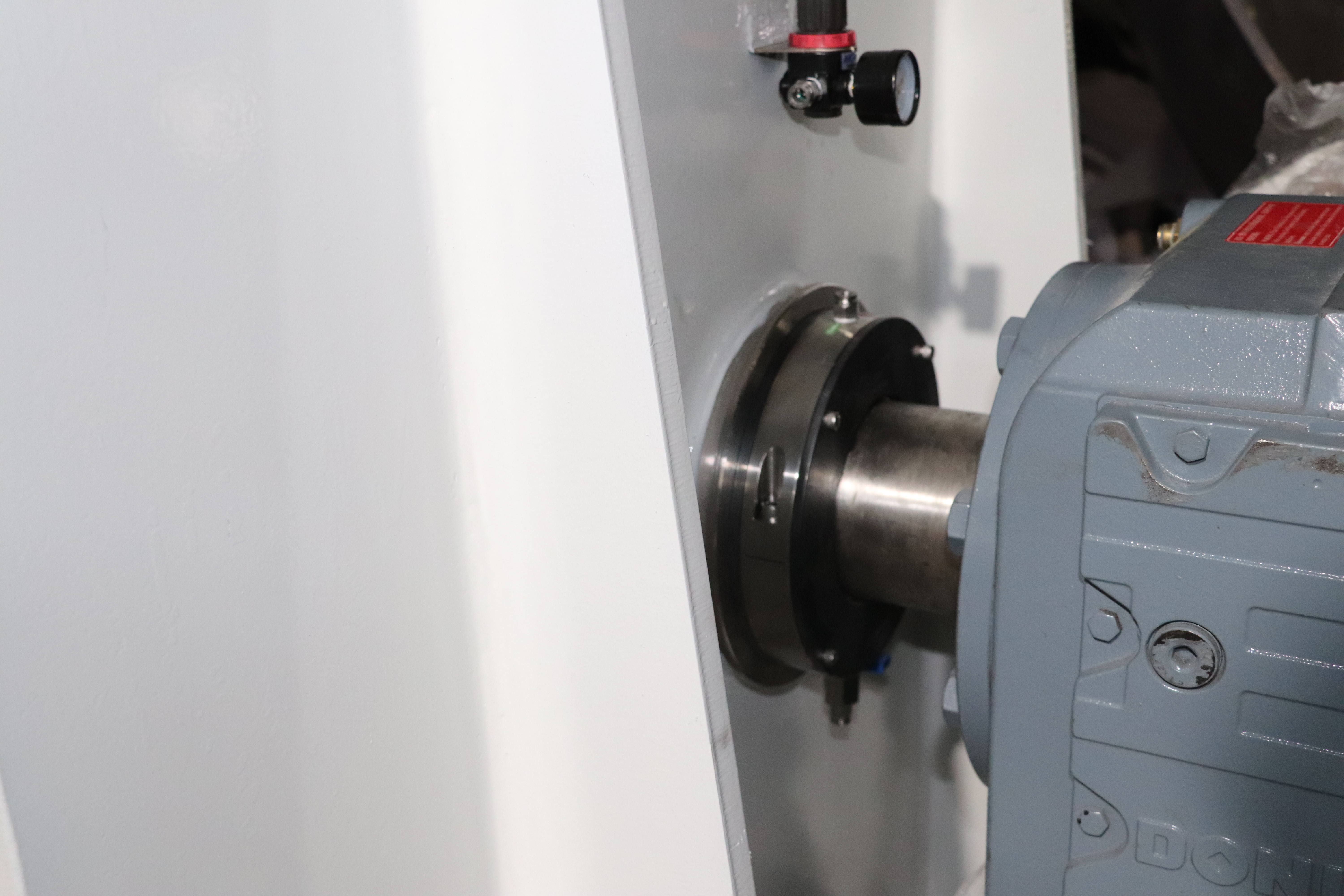
Best Rotary Shaft Seal Material for High-Speed Applications
Choosing the right rotary shaft seal material is especially important in high-speed applications, where friction, heat generation, and dynamic stress are significantly higher than in standard operating conditions. The wrong material can wear quickly, harden, or fail suddenly, while the right one ensures stable sealing and long-term reliability.
-
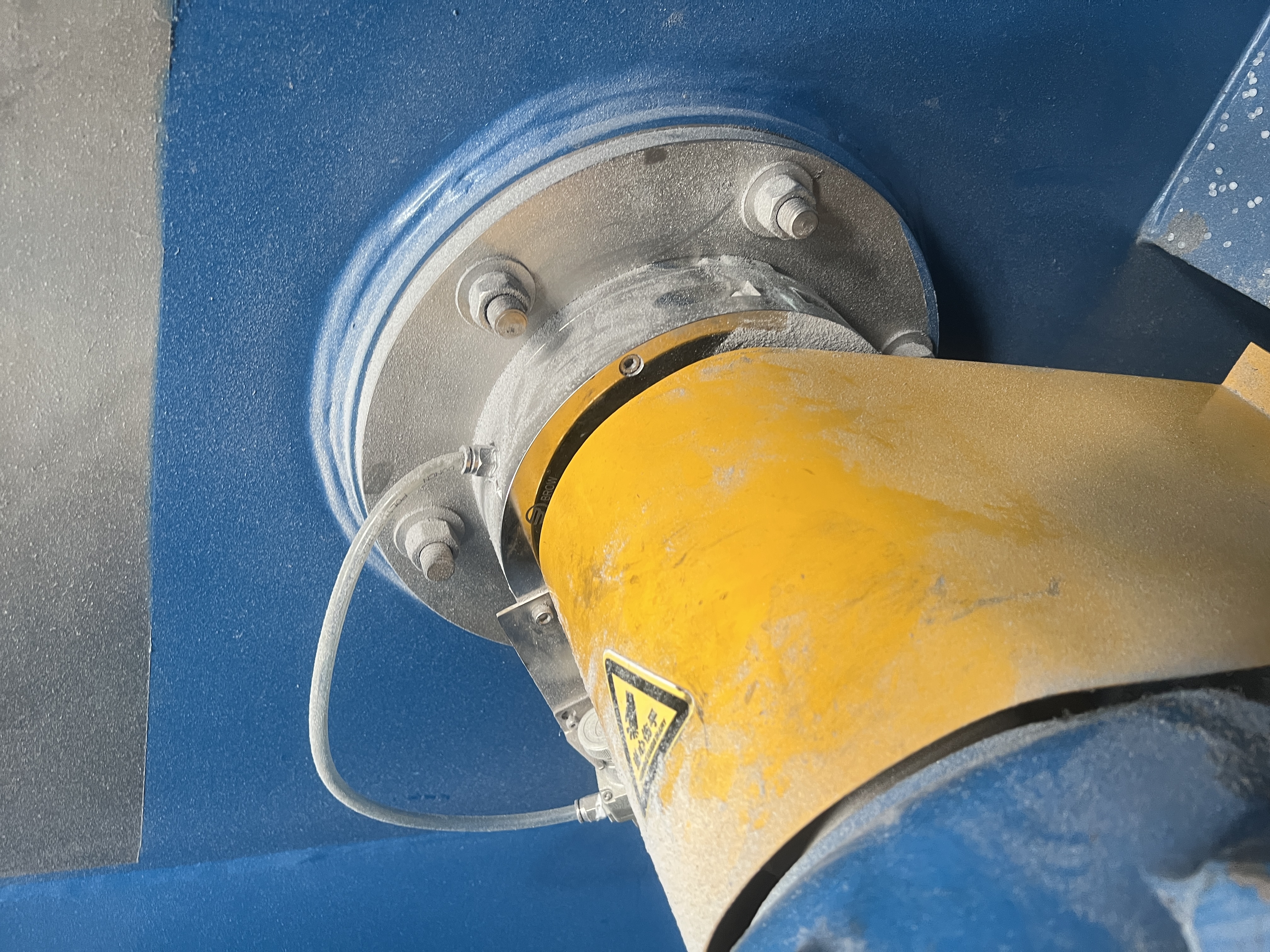
Why Is My Rotary Seal Overheating and Hardening
When a rotary seal begins to overheat and harden, it is often a warning sign that the sealing system is operating under unfavorable conditions. This problem not only reduces sealing efficiency but also increases the risk of sudden leakage and equipment damage.
-
How to Install a Rotary Shaft Seal Without Damaging It
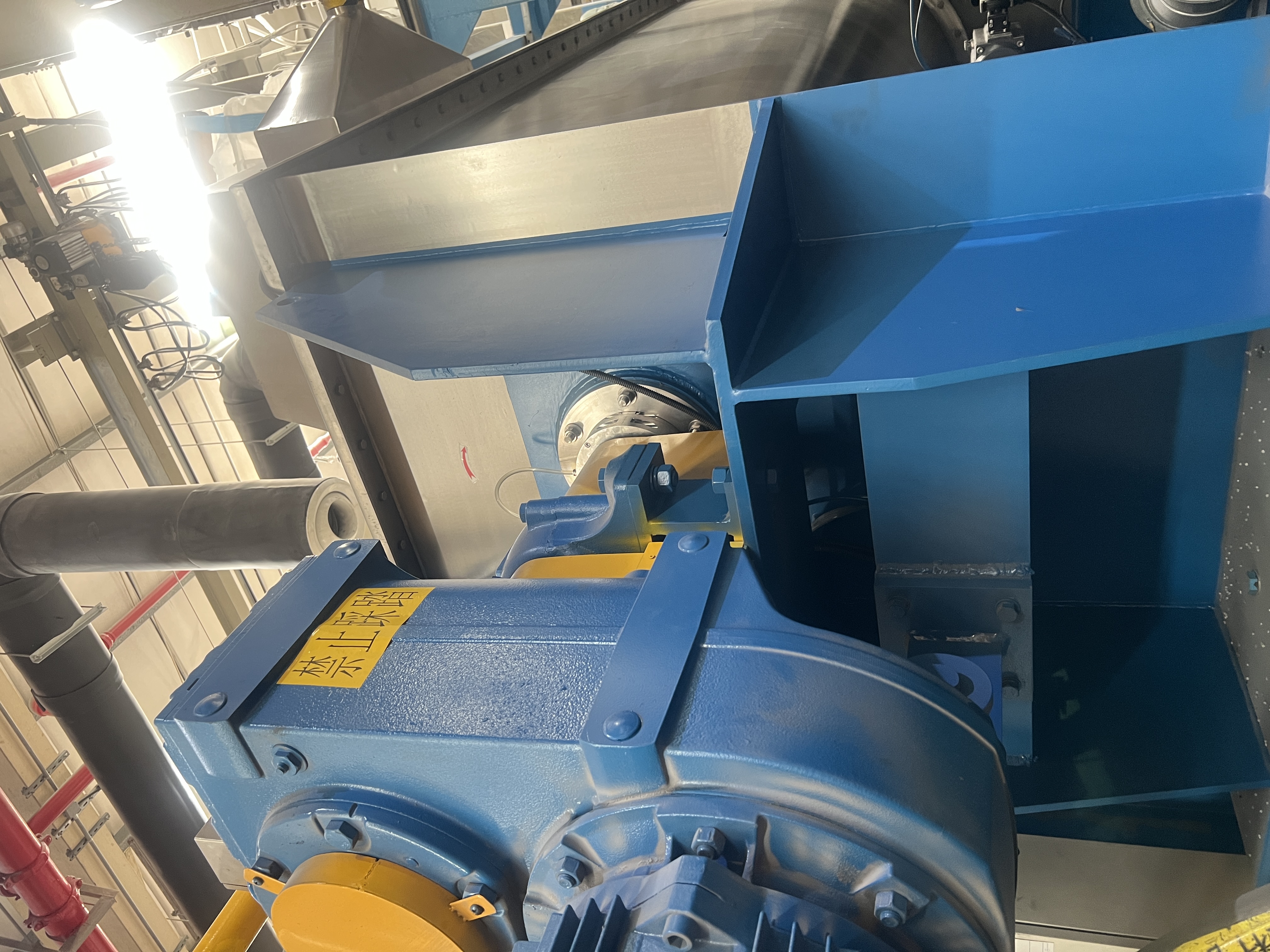
Installing a rotary shaft seal correctly is essential for ensuring reliable sealing performance and long service life. Even a high-quality seal can fail prematurely if it is damaged during installation. By following proper procedures and paying attention to detail, installers can significantly reduce the risk of leakage and early wear.
-

What Causes Rotary Shaft Seals to Leak Prematurely
Rotary shaft seals play a critical role in keeping lubricants inside machinery and preventing contaminants from entering rotating systems. When these seals fail earlier than expected, it often leads to oil leakage, equipment downtime, and increased maintenance costs. Understanding the common causes of premature leakage helps engineers and maintenance teams improve reliability and extend service life.
-

Rotary Shaft Seals in Paddle Dryers: Enhancing Efficiency and Reliability
In industrial processing, paddle dryers are widely used for drying powders, granules, and pastes in industries ranging from chemicals and pharmaceuticals to food production. A crucial yet often overlooked component in these machines is the rotary shaft seal, which ensures both operational reliability and product quality.
-
The Role of Rotary Shaft Seals in Horizontal Ribbon Blenders: Ensuring Clean, Efficient Mixing
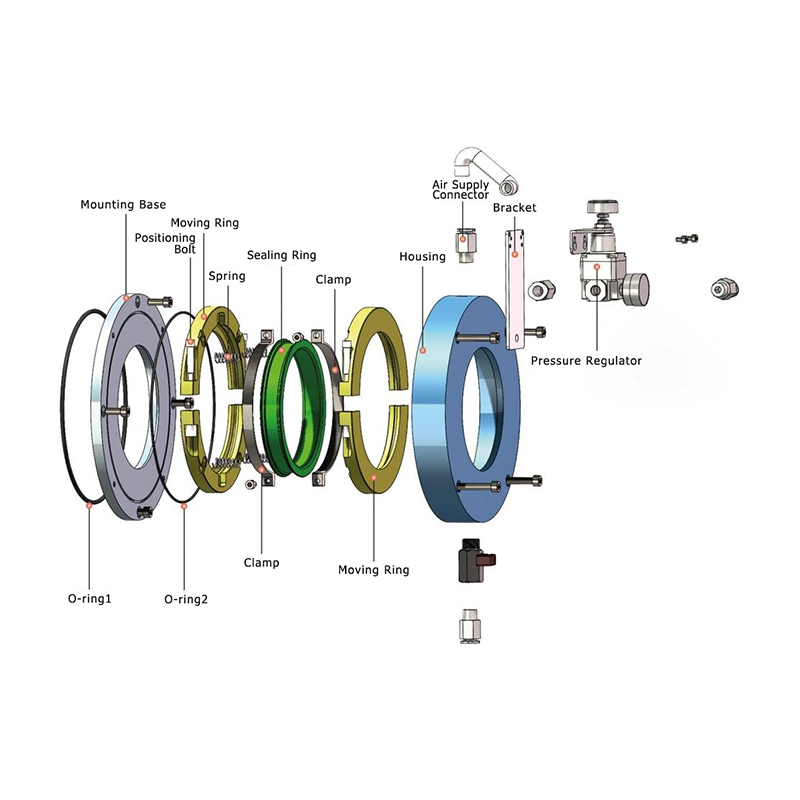
In the world of industrial mixing, the Horizontal Ribbon Blender is widely used for blending powders, granules, and viscous materials in industries such as food processing, pharmaceuticals, and chemicals. While much attention is given to blade design and motor power, one crucial yet often overlooked component ensures the blender’s long-term performance and sanitation—the rotary shaft seal.
-
Enhancing Equipment Longevity: The Expanding Applications of Rotary Shaft Seals in Industrial Mixing and Drying Systems
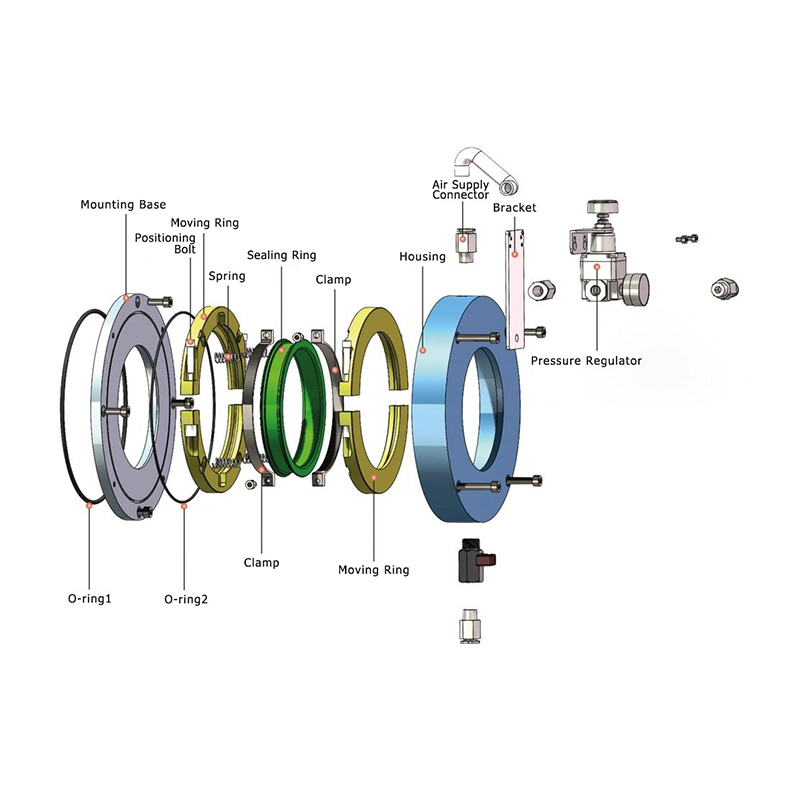
In today’s fast-paced industrial landscape, reliability and efficiency are paramount, particularly in processing equipment such as Continuous Mixers, Chocolate Refiners, Paddle Dryers, and Portable Light Mixers. One essential yet often overlooked component that ensures these systems perform at their peak is the rotary shaft seal.
-
What Is the Function of the Rotary Shaft Seal
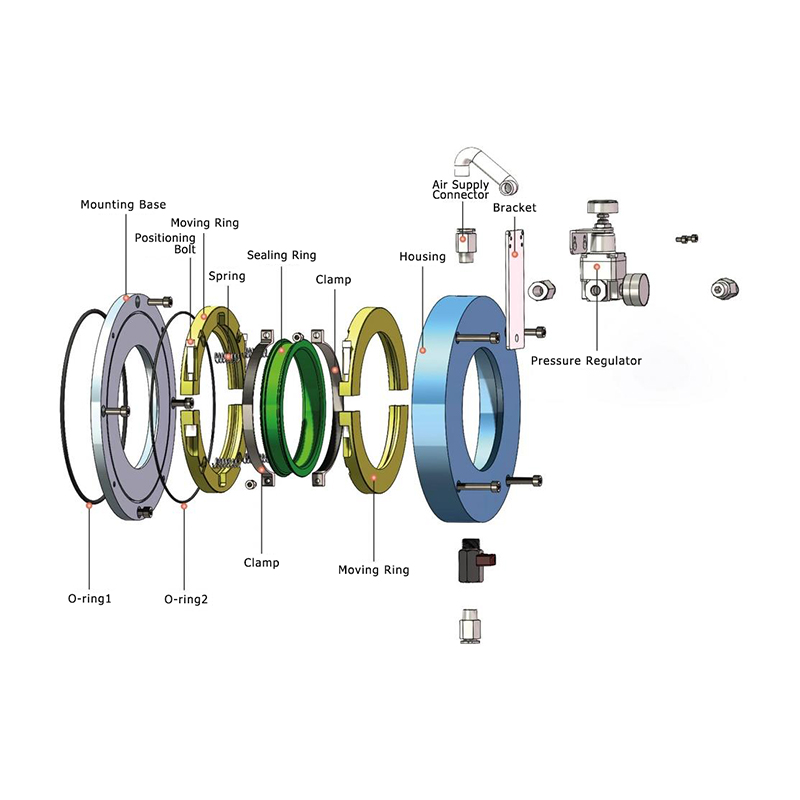
One of their primary functions is to retain lubrication inside the system. Without a proper seal, lubricating oils or greases could escape, leading to increased friction, overheating, and eventual wear of components. By keeping the lubricant in place, rotary shaft seals help ensure smooth and efficient rotation.
-
Top 5 Rotary Shaft Seals for Harsh Environments in 2025: Materials & Performance Compared
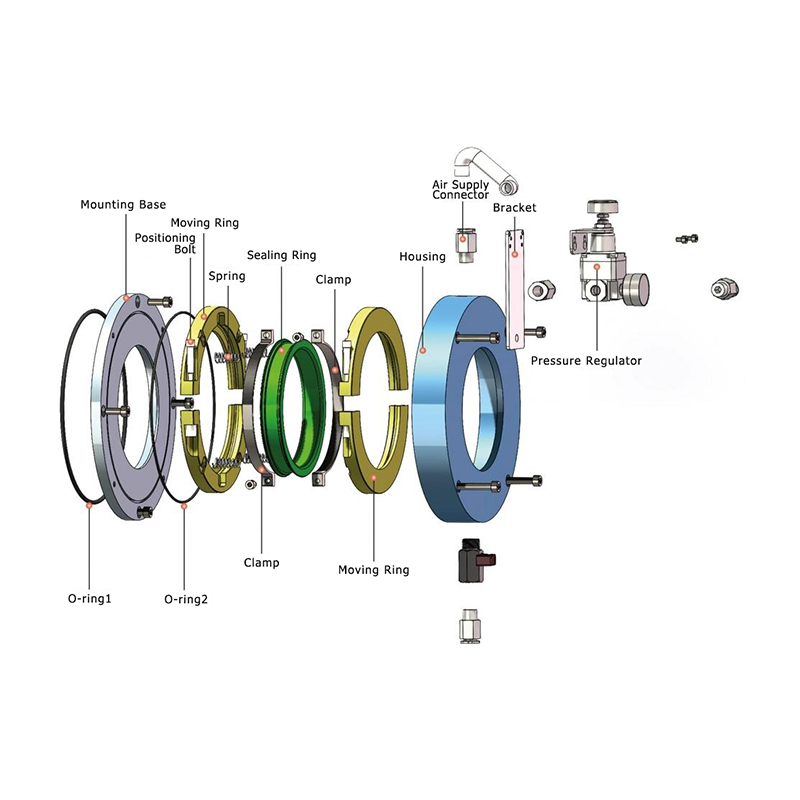
In industries where machinery operates under extreme pressure, high temperature, abrasive media, and chemical exposure, choosing the right rotary shaft seal is critical for ensuring long-term performance and system integrity. As we move into 2025, new materials and engineering innovations are pushing the limits of what rotary shaft seals can endure. This article ranks the Top 5 rotary shaft seals for harsh environments based on material composition, durability, and application performance.
-
Exploring the Diverse Applications of Rotary Shaft Seals Across Modern Industries
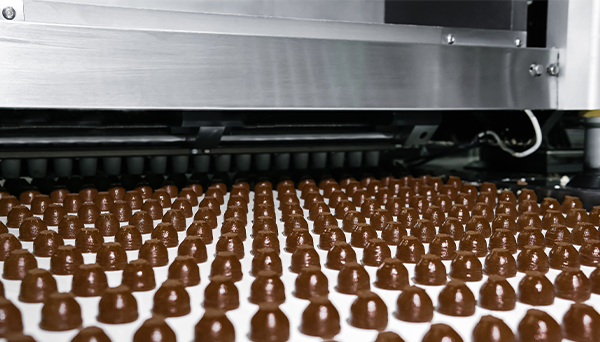
Rotary shaft seals, also known as radial shaft seals, may appear to be simple components, but their role in industrial and mechanical systems is vital. Designed to seal the space between a rotating shaft and its housing, these seals prevent leakage of fluids while protecting against the ingress of dust, dirt, and other contaminants. Their broad utility across numerous industries highlights just how essential they are to maintaining operational efficiency and equipment longevity.