English


Rotary Seal Failure Modes and How to Diagnose Them
2026-03-12
Rotary seals are designed to operate reliably under continuous motion, but when they fail, the consequences often include leakage, contamination, and unplanned equipment shutdowns. Identifying the specific failure mode is the first step toward an effective solution. Different symptoms usually point to different root causes.
One common failure mode is lip wear and polishing. This typically appears as a smooth, shiny seal lip and gradual leakage. It is often caused by long-term friction, marginal lubrication, or excessive shaft speed. Diagnosis focuses on checking lubricant condition and verifying whether operating speeds exceed design limits.
Hardening and cracking of the seal material is another frequent issue. When the seal becomes brittle, cracks may appear around the lip or body. This usually indicates thermal aging, chemical incompatibility, or prolonged exposure to high temperatures. Examining the seal material and reviewing fluid compatibility data can help confirm the cause.
Uneven or localized wear suggests shaft misalignment or vibration. In these cases, the seal lip may be worn more on one side, and leakage may appear intermittently. Measuring shaft runout and inspecting bearing condition are key diagnostic steps.
Grooving on the shaft surface points to abrasive contamination or insufficient shaft hardness. Dirt particles trapped at the sealing interface act like cutting tools over time. Diagnosing this failure mode involves inspecting the shaft for wear tracks and evaluating filtration and cleanliness levels.
Finally, sudden seal failure or dislodgement often results from improper installation or pressure spikes. A distorted seal case or flipped lip is a strong indicator of installation-related damage.
In summary, rotary seal failures rarely occur without warning. By carefully observing wear patterns, material condition, and operating symptoms, maintenance teams can accurately diagnose failure modes and take corrective action before more serious damage occurs.
RELATED NEWS
-
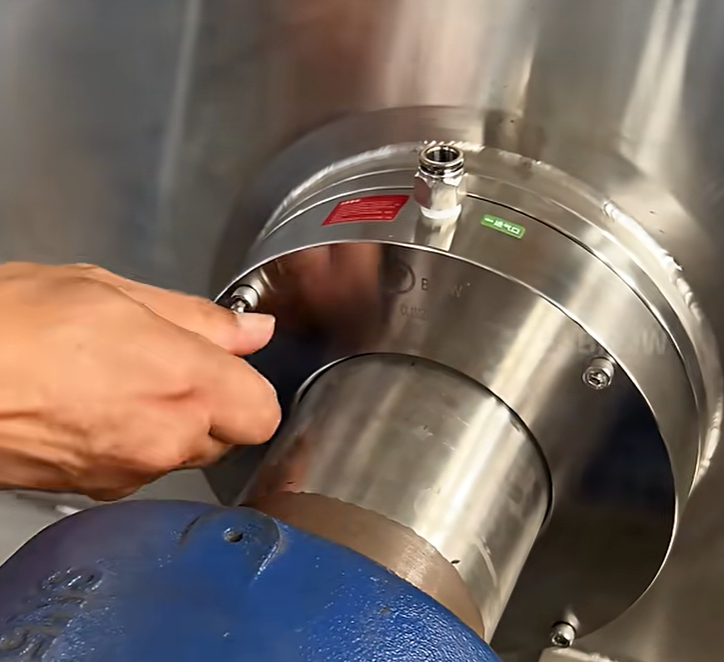
Browseal High-Performance Rotary Shaft Seals: The Ultimate Solution For Shaft-End Leakage In Mixing Equipment
Material leakage from screw conveyors, dust ingress into augers, and constant failures at the rotary valve shaft ends—these are common headaches in the industry.
-
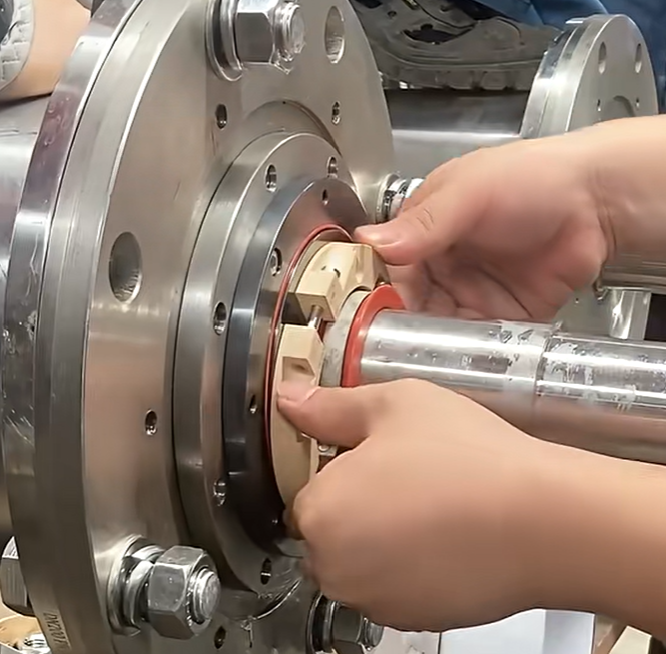
Positive Pressure Gas Sealing Technology for Rotating Shafts Solves the Frequent Maintenance Issues of Screw Conveyors
A single solution to address the frequent maintenance issues of screw conveyors—no need to purchase special packing, no weekly shutdowns for emergency repairs, and no requirement to disassemble the transmission mechanism.
-
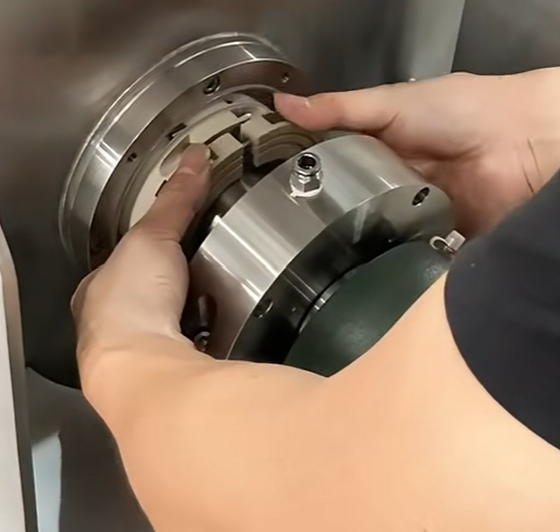
Browseal Rotary Shaft Seal - Replacing Traditional Packing Seals, Addressing Issues Of Leakage And Maintenance
With technological advancements, rotary shaft seals have gradually become an alternative to traditional packing seals. Thanks to its unique split design, it addresses the issues of leakage and frequent maintenance common in traditional sealing solutions.
-
Browseal Rotary Shaft Seal: No-Disassembly Speed Reducer, Replacement Completed In 30 Minutes, With Maintenance Efficiency Increased By 4 Times
How to replace the shaft end seal without disassembling the speed reducer? Traditional seal replacement requires disassembling the entire machine, resulting in significant downtime and losses.
-
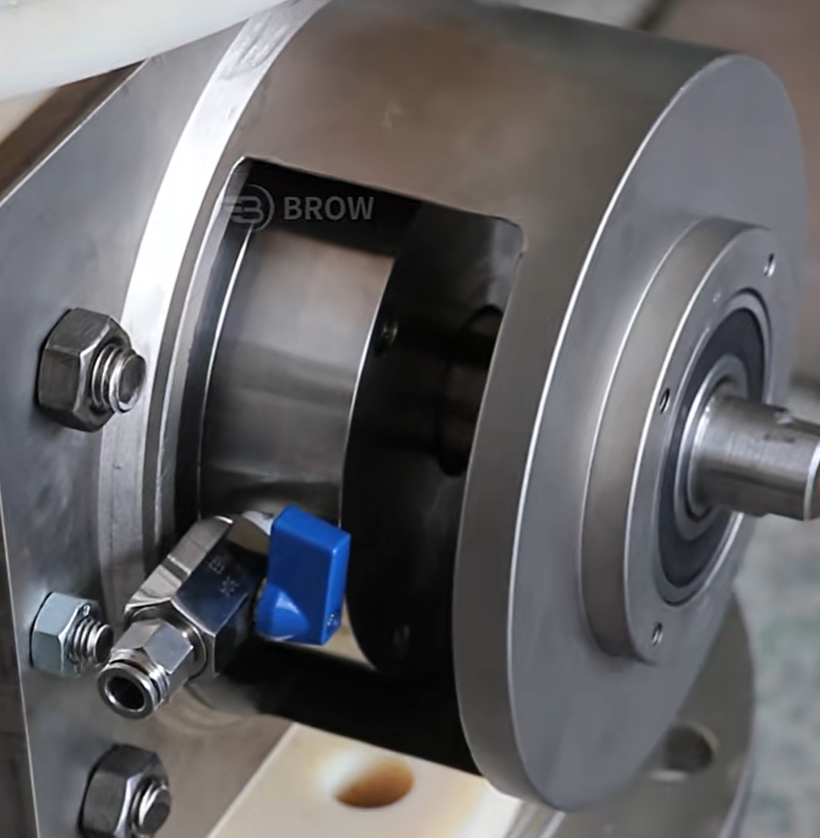
The New Machine Design Phase Includes Pre-Installed Rotary Shaft Seals - Eliminating The Need For Later Modifications To Address Powder Leakage Issues
New machines come from the factory with standard packing rings, and modifications are only made when powder leakage occurs frequently?
-
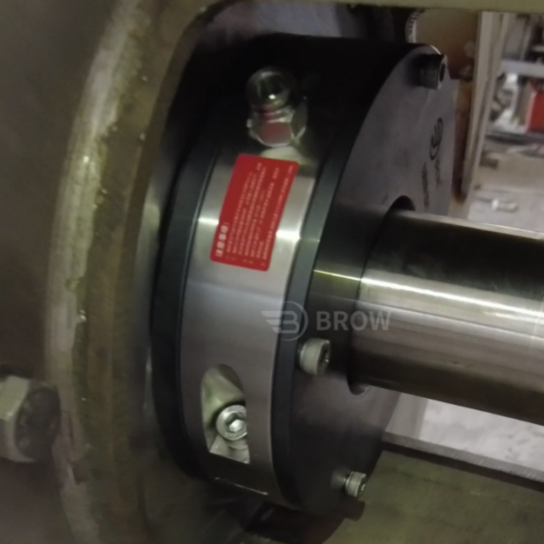
Solving the Challenge of Raw Material Loss in Powder Plant: Brow Seal Rotary Shaft Seal Significantly Enhances Sealing Efficiency
Powder plants often overlook the material losses caused by minor leaks at shaft ends, which cumulatively erode profits over time. Traditional packing seals have poor sealing performance, with gaps continuously widening during operation.
-
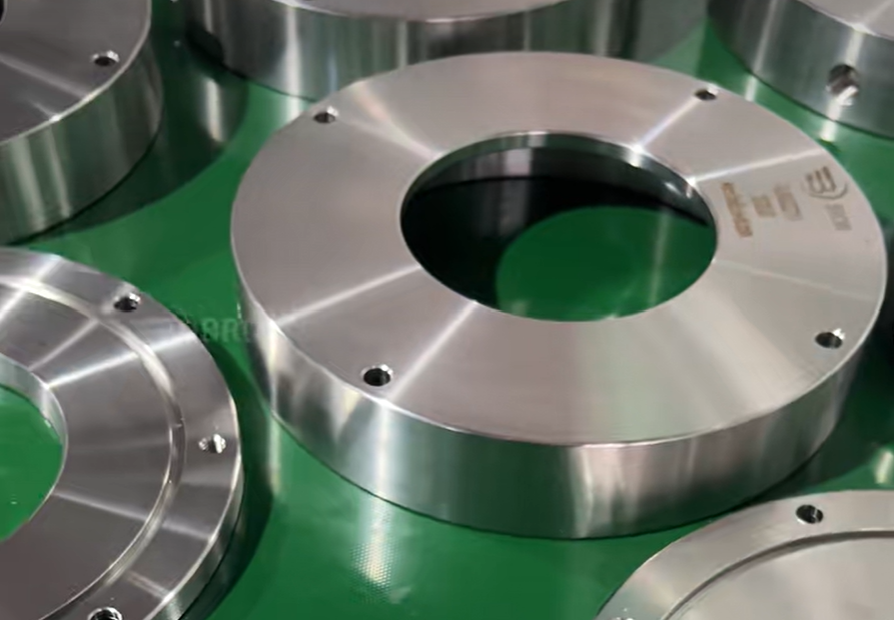
High-Performance Rotary Shaft Seal——With A Durable And Stable Structure That Prevents Casing Deformation From Causing Powder Leakage At The Shaft End
BrowSeal's high-performance rotary shaft seal base and end caps are all crafted from high-grade stainless steel materials, offering excellent corrosion resistance, oxidation resistance, and superior structural rigidity.
-
Directly Addressing The Pain Points Of Kneading Machines And Spiral Belt Mixers, High-Performance Rotary Shaft Seals Solve The Problems Of Equipment Leakage Of Powder And Materials
For the equipment supervisor of the kneading machine and spiral belt mixer, is he still struggling with packing gland seals—causing powder and material leaks when starting up, grooves worn on the main shaft, requiring disassembly and shutdown for every maintenance, accumulating workshop dust, and facing heavy pressure from environmental inspections? Repeatedly replacing packing glands only leads to recurring issues.
-
Frequent Disassembly And Replacement Of Mixing Machine Shaft Ends Due To Powder Leakage? Browseal Split-Type Shaft Seal Allows For "Direct Replacement," Cutting Operational Costs In Half
The low-speed horizontal mixer is experiencing powder leakage at the shaft end, with the old seal requiring frequent replacement. Stop wasting time on unnecessary repairs.
-
How to properly select shaft seals: Universal, reliable sealing for multiple equipment, saying goodbye to frequent emergency repairs
Blender, airlock, screw conveyor, how to choose shaft seals? BrowSeal high-performance rotary shaft seal adopts a split-type structural design, replacing traditional packing materials.
-
A Damaged Spindle Incurs High Costs; Repairing A Single Main Spindle Is Expensive
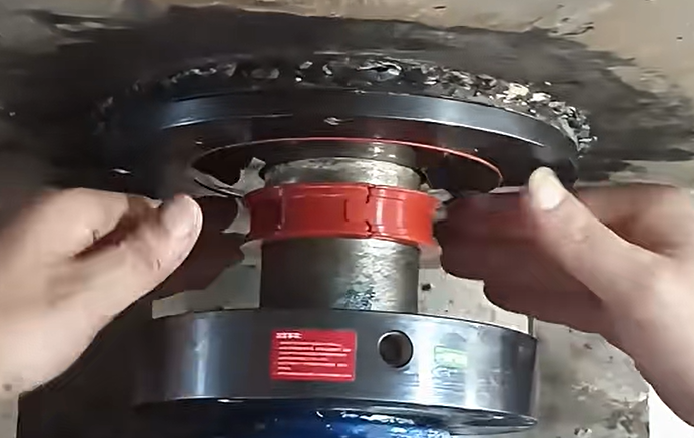
A leaking shaft seal is not alarming; what's truly concerning is when the shaft itself becomes worn out. Many plant managers focus solely on powder leakage, overlooking the fact that the asbestos packing in traditional stuffing box seals is hard.
-
Specially Designed For Powder Handling Applications—Addressing Demanding Production Environments Involving Mixed Conveying And Discharge
Screw conveyors leaking material, augers clogged with dust, and rotary valve shaft ends constantly failing? BrowSeal high-performance rotating shaft seals are specifically designed to address these common sealing issues in low-speed horizontal mixing equipment, screw conveyors, augers, rotary valves, and kneaders.
-
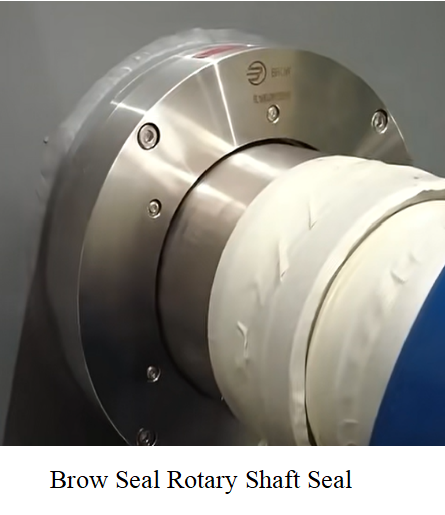
Half-Hour Tool-Free Replacement: Modular Sealing Components Help Workshops Bid Farewell To "Dust Clouds"
In the past, replacing a seal would take half a day, and the workshop was filled with dust like it was a battlefield. Now, with the installation of a split-type rotary shaft seal, it can be directly fitted in half an hour, without needing to disassemble the gearbox.
-
Choosing the Right Sealing Material for Better Wear Resistance and Longer Service Life
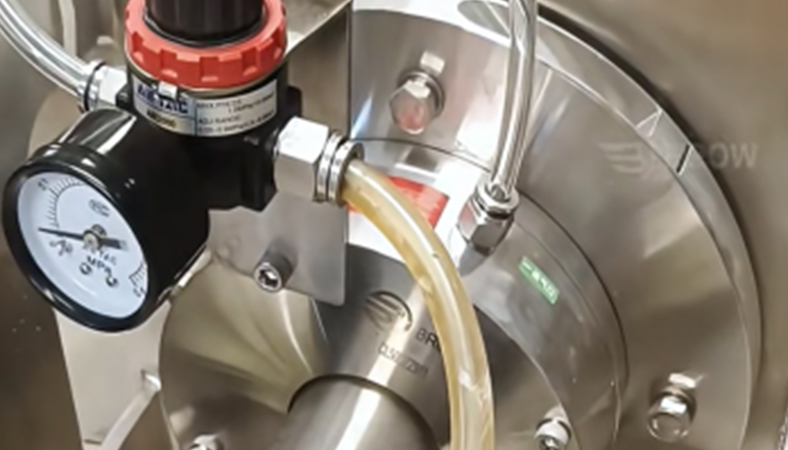
The sealing material for packing seals is ordinary packing, which has average wear resistance and requires frequent replacement due to rapid wear. The rotating shaft seal's moving ring uses PEEK material, which offers excellent wear resistance and self-lubrication.
-
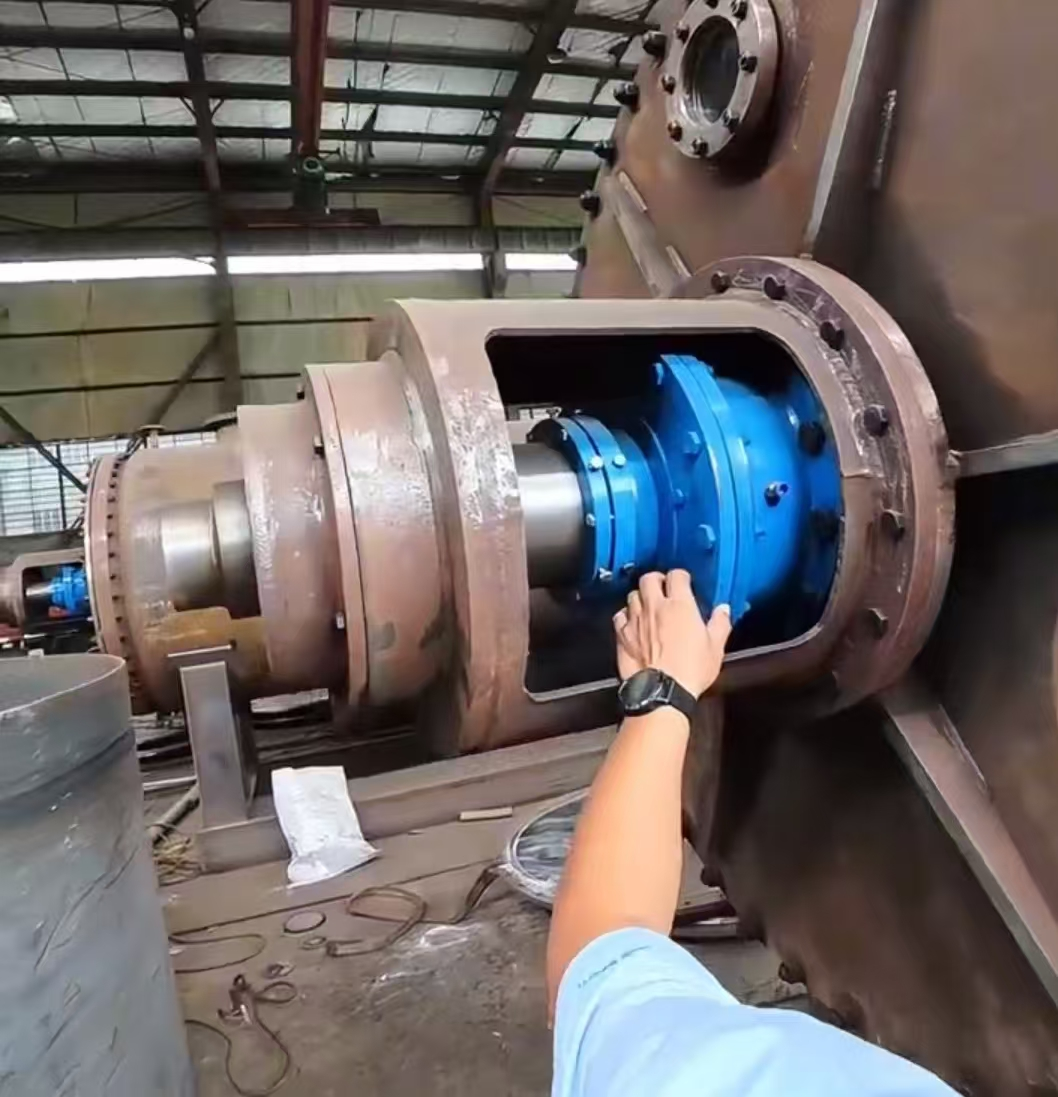
Repairing A Packing Gland Seal Requires Disassembling The Motor And Dismantling The Gearbox
When maintaining the rotary shaft seal’s split-type structure,there’s no need to move these large components. Simply loosen the clamps, replace the movable ring, tighten it, and the main body of the equipment remains stationary from start to finish.
-
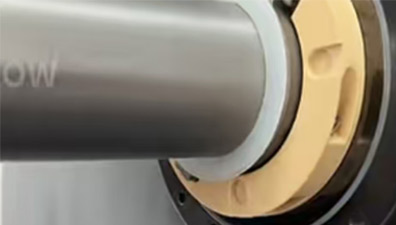
Once The Packing Seal Is Damaged, Disassembling And Reassembling It Becomes Extremely Troublesome.
Once the packing seal is damaged, disassembling and reassembling it becomes extremely troublesome. The old packing material has to be carefully pried out of the packing box one piece at a time, which is time-consuming and labor-intensive, taking half a day to complete.
-
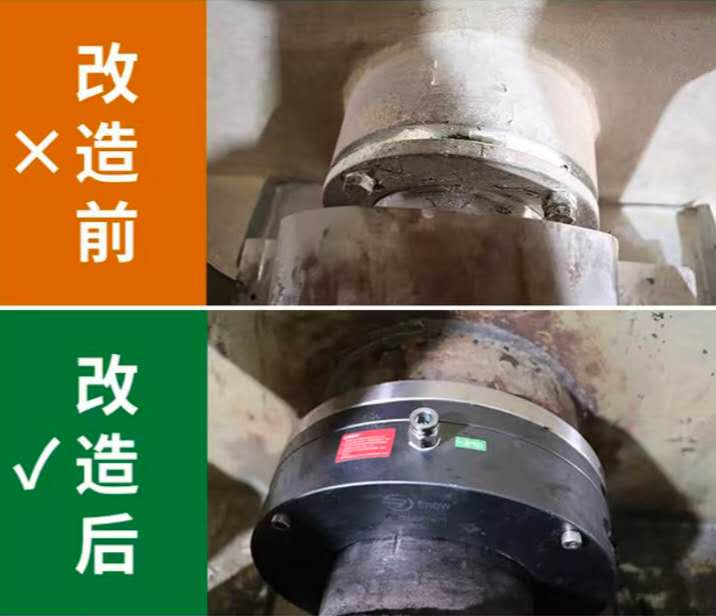
What We Can Do:Overcoming The Problem Of Powder Leakage
Through high-performance sealing design, significant reductions in powder leakage are achieved, enhancing the cleanliness of the production environment.
-
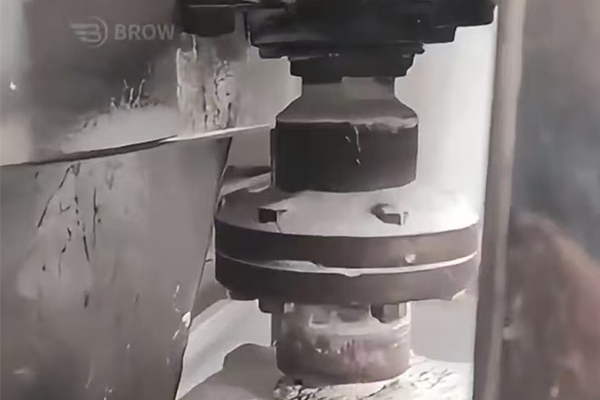
The Primary Cause of Powder Leakage at The Shaft end of A Mixing Machine Is 99% Related To The Seals.
The primary cause of powder leakage at the shaft end of a mixing machine is 99% related to the seals. The packing seal relies on compression to prevent leaks. The tighter it is compressed, the faster it wears out. As soon as gaps form, leaks occur, and the process of tightening and re-wearing continues.
-
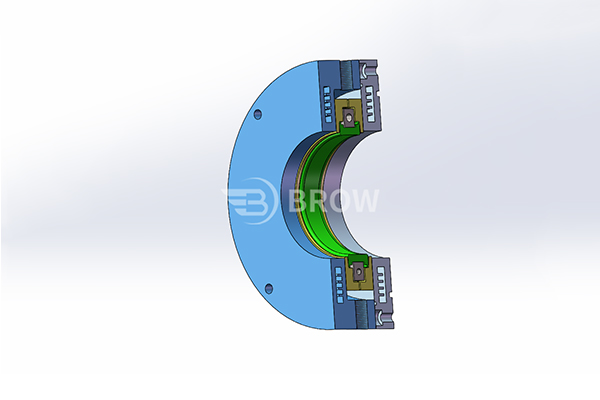
Browseal High-Performance Rotary Shaft Seal
Browseal High-Performance Rotary Shaft Seal is an advanced sealing product designed for powder and slurry equipment. It is widely used in mixing, stirring, drying, crystallization, and conveying equipment across industries such as lithium battery, pharmaceuticals, food, chemicals, and metallurgy.
-
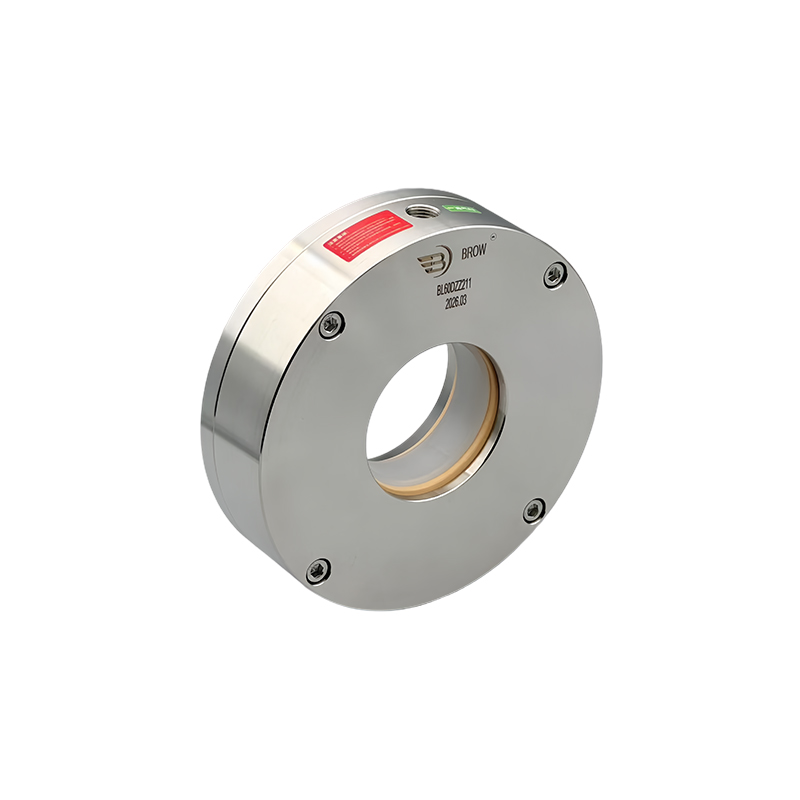
Advanced Rotary Shaft Seals Enhance Industrial Equipment Performance
As industrial machinery and automotive equipment become increasingly sophisticated, Rotary Shaft Seals are gaining prominence as essential components for ensuring reliability, efficiency, and safety.
-
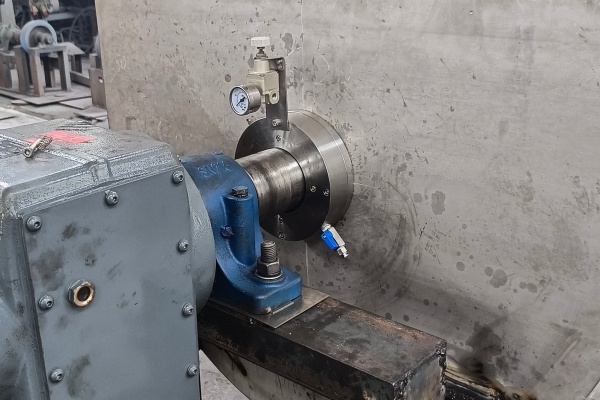
Believe Rotary Shaft Seal Power Consumption
Believe rotary shaft seals have low power consumption because the shaft and rotating ring are integrated, rubbing against the housing and stationary ring. The housing undergoes DLC treatment with a mirror finish of 0.1-0.2, significantly reducing friction.
-
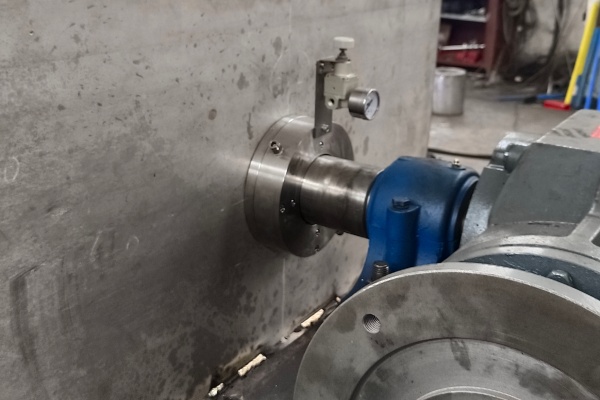
Believe Rotary Shaft Seal Costs
Believe rotary shaft seals have a higher initial purchase cost and a longer manufacturing cycle. However, they offer lower maintenance costs and cheaper wear parts, ensuring customers reduce maintenance expenses in the long run.
-
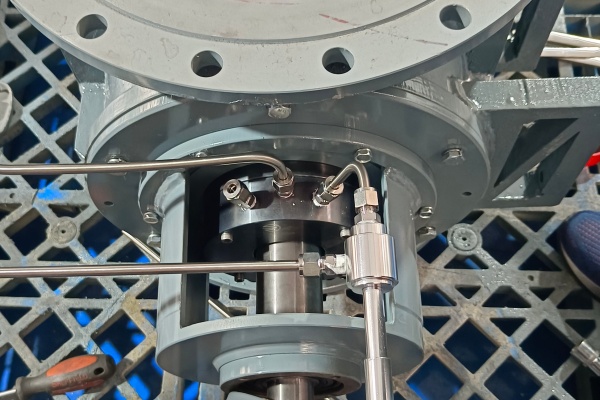
Believe Rotary Shaft Seal Applications
Believe rotary shaft seals are suitable for low-speed shaft-end mixing and kneading equipment. For equipment or materials with high temperatures, a double-end cooling version can be used for low-speed equipment.
-
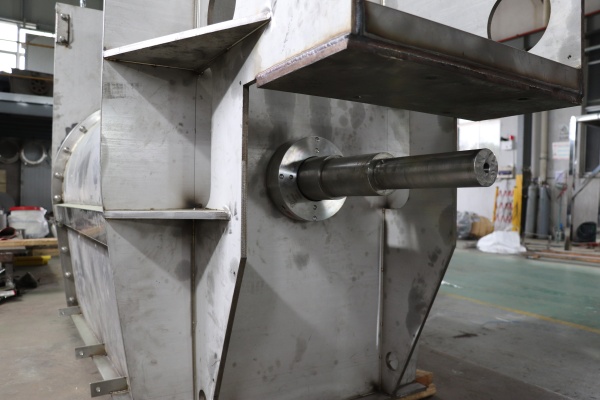
Believe Rotary Shaft Seal Installation and Maintenance
Believe rotary shaft seals can be manufactured in a fully modular form, simplifying installation and maintenance. Subsequent replacement of wear parts does not require disassembling the gearbox and bearings, reducing downtime and improving production efficiency.
-
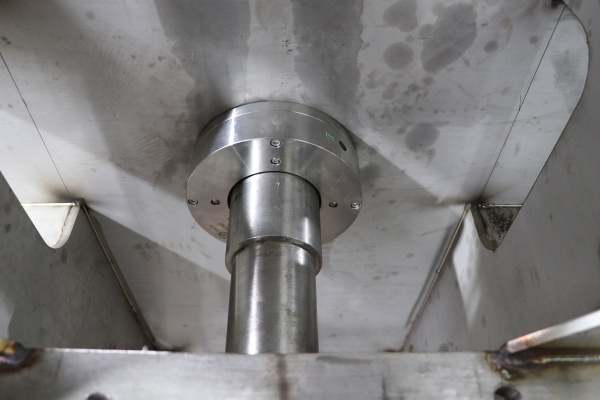
Believe Rotary Shaft Seals Have High Requirements For Shaft Precision And Surface Roughness
The rotating ring of the Believe rotary shaft seal is integrated with the shaft and can tolerate radial runout of 2-3 mm. The double-end cooling flow channel of the housing effectively controls the material-to-shaft precision to ±50 microns, primarily through soft silicone holding the shaft end in place. No surface roughness requirements are placed on the shaft.
-
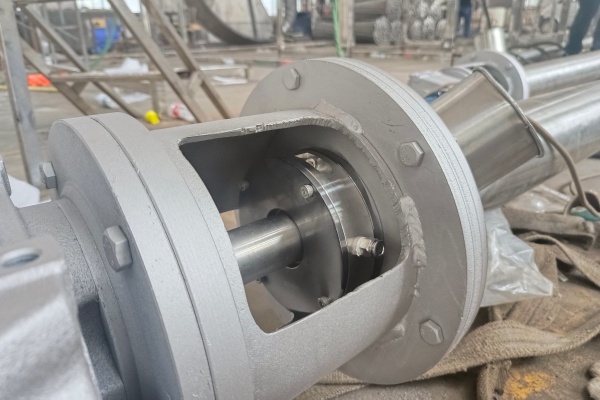
Believe Rotary Shaft Seal Friction Power Consumption
The rotating ring of the Believe rotary shaft seal is integrated with the shaft and can tolerate radial runout of 2-3 mm. The double-end cooling channels on the outer shell effectively control the temperature transfer from the hopper and the temperature rise from dry friction.
-
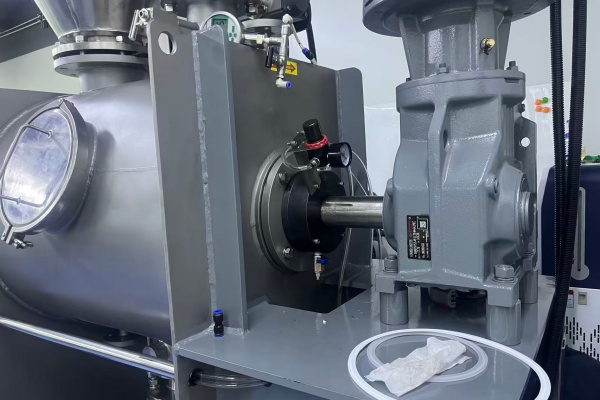
Believe Rotary Shaft Seal Sealing Performance
Believe rotary shaft seals offer superior sealing performance. Due to their triple-seal design, they provide excellent sealing for powders, liquids, and slurries. They guarantee zero leakage during operation, reducing the risk of unexpected downtime and increasing production capacity.
-
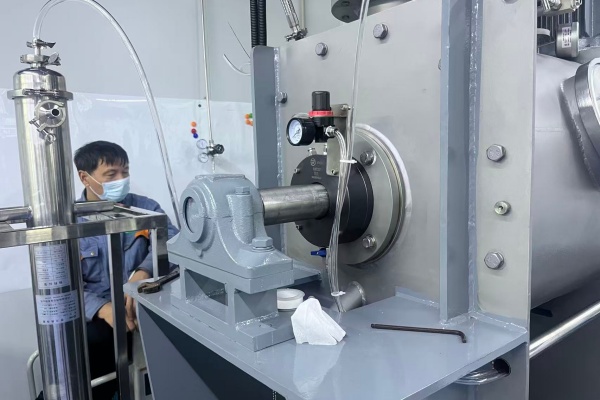
Believe Rotary Shaft Seal Sealing Principle
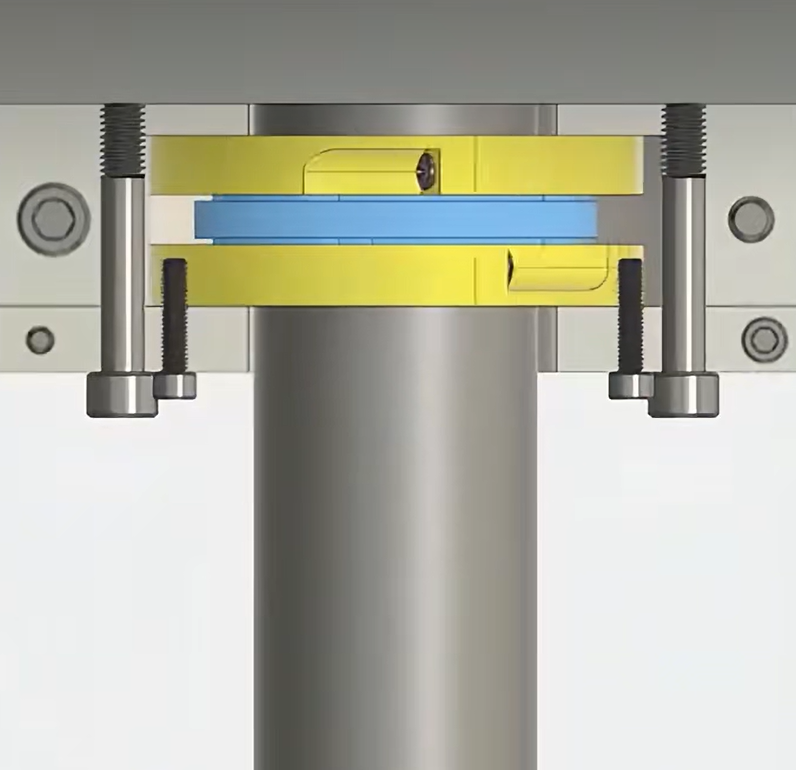
Believe rotary shaft seals have three seals. The first is a radial seal, where silicone grips the shaft end to prevent material leakage (both end faces have radial seals). The second is an air seal, where the pressure in the sealing cavity is greater than the pressure in the hopper, preventing material from entering the sealing cavity.
-
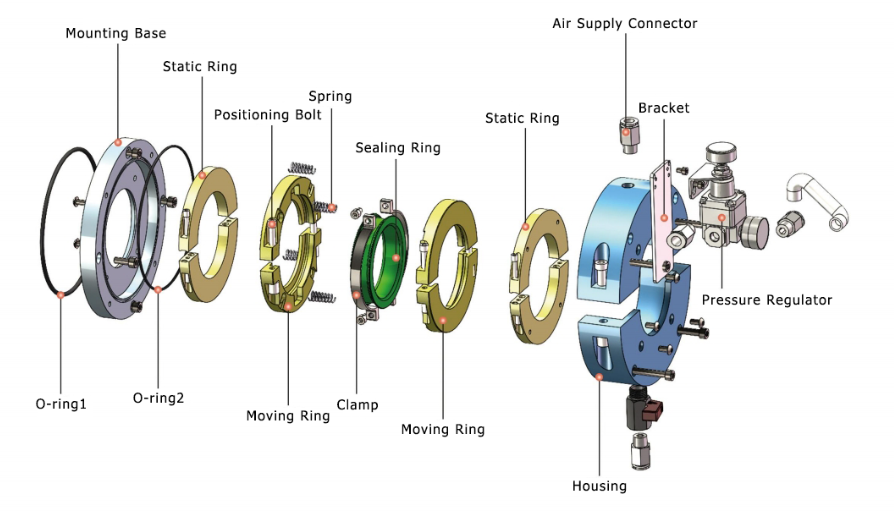
Believe Automation Technology Co., Ltd.Rotary Shaft Seal Applicable Equipment and Operating Conditions BL-80-DJL
BL-80-D, BL-80-DJ, BL-80-DL, BL-80-DJL. BL represents the rotary shaft seal manufactured by Believe, and 80 is the shaft diameter. For example, if the shaft diameter is 80, the model should be BL-80-D. The suffixes D, DJ, DL, and DJL indicate the sealing structure type.
-
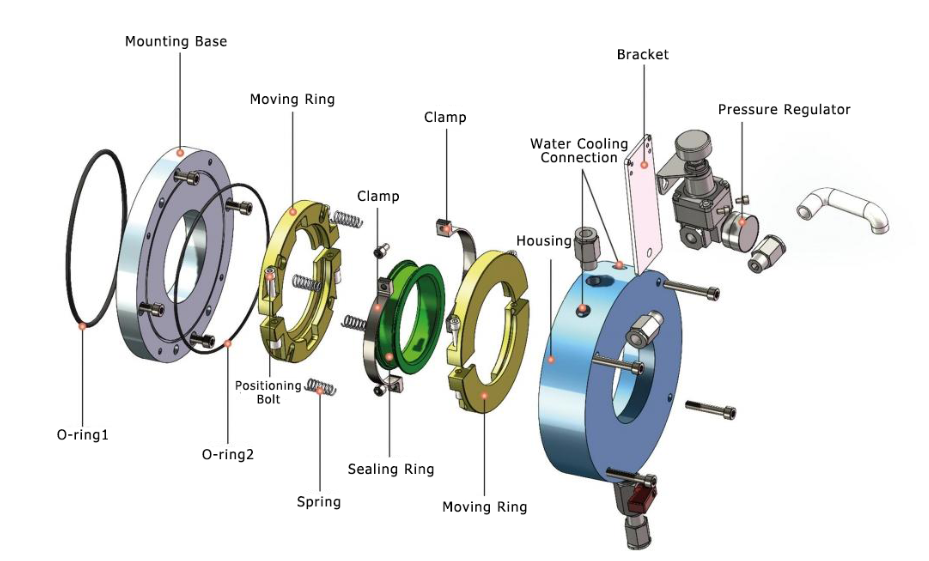
Believe Automation Technology Co., Ltd.Rotary Shaft Seal Applicable Equipment and Operating Conditions BL-70-DL
BL-70-D, BL-70-DJ, BL-70-DL, BL-70-DJL. BL represents the rotary shaft seal manufactured by Believe, and 70 is the shaft diameter. For example, if the shaft diameter is 70, the model should be BL-70-D. The suffixes D, DJ, DL, and DJL indicate the sealing structure type.
-
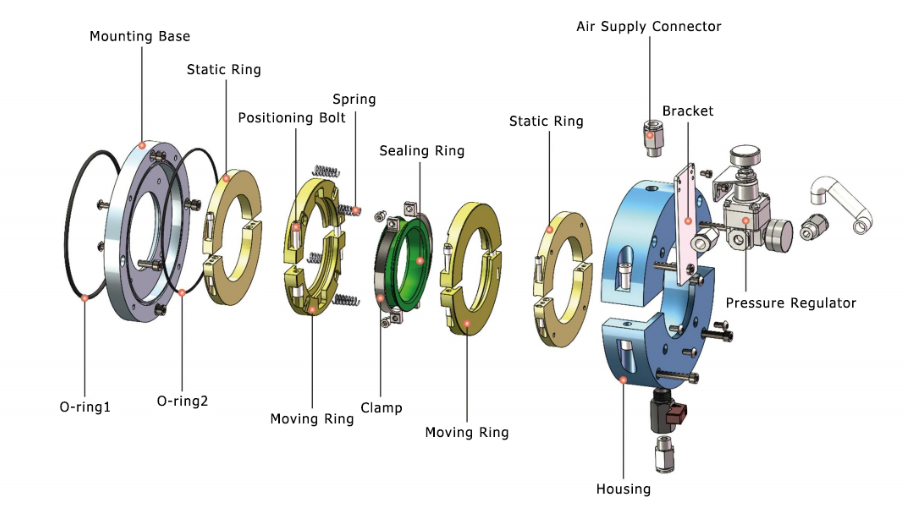
Believe Automation Technology Co., Ltd.Rotary Shaft Seal Applicable Equipment and Operating Conditions BL-60-DJ
BL-60-D, BL-60-DJ, BL-60-DL, BL-60DJL. BL represents the rotary shaft seal manufactured by Believe, and 60 is the shaft diameter. For example, if the shaft diameter is 60, the model should be BL-60-D. The suffixes D, DJ, DL, and DJL indicate the sealing structure type.
-
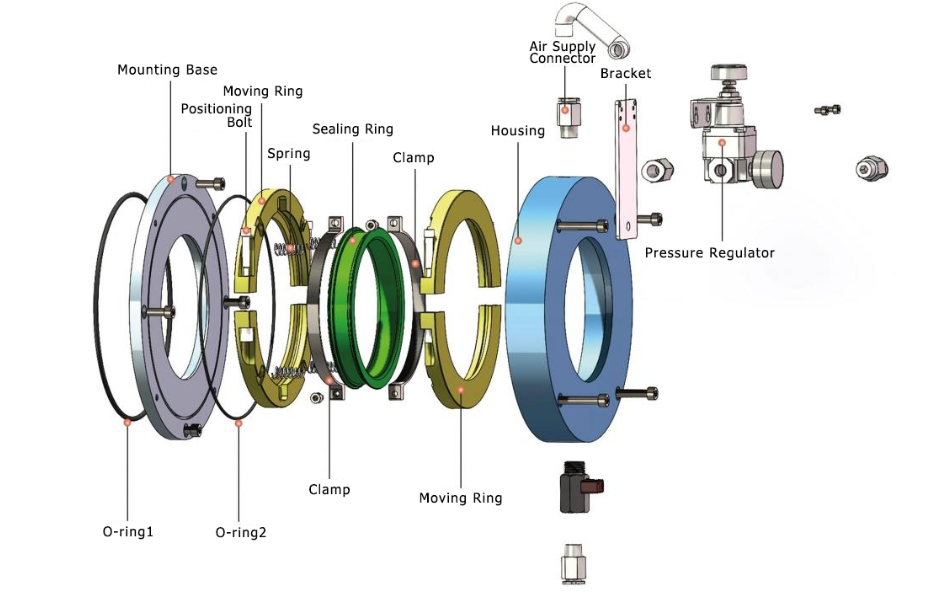
Believe Automation Technology Co., Ltd.Rotary Shaft Seal Applicable Equipment and Operating Conditions BL-50-D
BL-50-D, BL-50-DJ, BL-50-DL, BL-50-DJL. BL represents the rotary shaft seal manufactured by Believe, and 50 is the shaft diameter. For example, if the shaft diameter is 50, the model should be BL-50-D. The suffixes D, DJ, DL, and DJL indicate the sealing structure type.
-
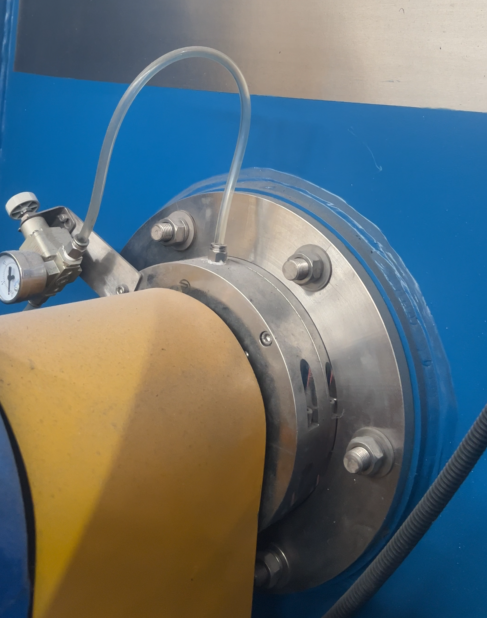
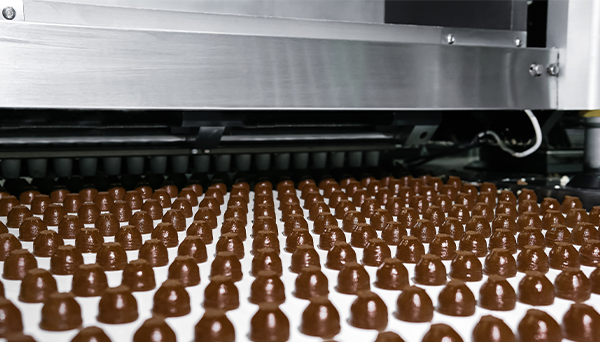
Rotary Shaft Seals in Chocolate Refiners: Ensuring Purity and Performance
In the confectionery industry, maintaining quality and consistency is essential, especially in the production of chocolate. At the heart of chocolate refining equipment, rotary shaft seals play a vital role in ensuring smooth operations while preserving product purity.
-

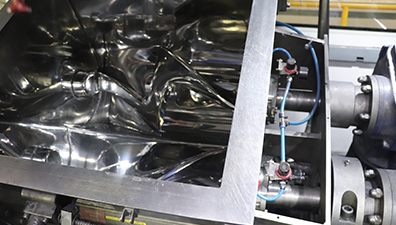
Rotary Shaft Seals in Continuous Mixers: Enhancing Efficiency and Reliability
In modern processing industries, continuous mixers play a critical role in delivering consistent, high-quality output. A vital component ensuring their reliable operation is the rotary shaft seal, designed to prevent material leakage and protect internal mechanisms from contamination.
-

Rotary Shaft Seal Types: Key Options for Industrial Applications
Rotary shaft seals are essential components in countless industries, helping to prevent leakage of lubricants and blocking the ingress of contaminants. As industries evolve, the demand for different rotary shaft seal types has grown, with each variation designed to meet specific operating conditions.
-

Applications of Rotary Shaft Seals Expanding Across Industries
In the world of modern engineering, small components often make the biggest difference in ensuring performance and reliability. One such component is the rotary shaft seal, a critical part of countless machines used in manufacturing, transportation, and consumer products. Though often unnoticed, its applications are wide-ranging and essential to everyday operations.
-

Rotary Shaft Seals Driving Innovation in Industrial Equipment
Rotary Shaft Seals are playing an increasingly important role across industries as modern machinery evolves to meet higher demands for efficiency, hygiene, and durability. From food processing to chemical production, these components ensure that fluids stay contained while contaminants remain out, making them indispensable in both heavy-duty and precision equipment.
-

What is Rotary Shaft Seal
In modern machinery, preventing leaks and protecting moving parts are critical for efficiency and reliability. A rotary shaft seal is a small but essential component designed to achieve both. Found in automotive systems, industrial equipment, and household appliances, it ensures smooth operation by keeping lubrication in and contaminants out.
-

Believe Automation: Leading the high-performance rotating shaft seal market with innovative and customized solutions
In the global machinery and automation industry, the demand for reliable sealing solutions continues to grow as equipment becomes more advanced and efficient. Believe Automation, a trusted name in precision engineering, is gaining recognition as a leading Rotary Shaft Seals supplier, delivering durable and high-quality products tailored to the needs of diverse industries.
-

What is a Rotary Shaft Seal
In the world of mechanical engineering and industrial equipment, maintaining efficiency and preventing leaks are essential to smooth operations. One component that plays a vital role in achieving this is the rotary shaft seal. Though often overlooked due to its small size, it is a critical part of countless machines, ensuring both performance and durability.
-

How to Measure a Rotary Shaft Seal
Technicians typically use precision tools such as calipers or micrometers to obtain accurate measurements. The shaft diameter should be measured at several points to ensure there is no wear or out-of-round condition that could affect sealing performance. The bore diameter must also be measured carefully, as any irregularity can lead to leakage or premature failure.
-
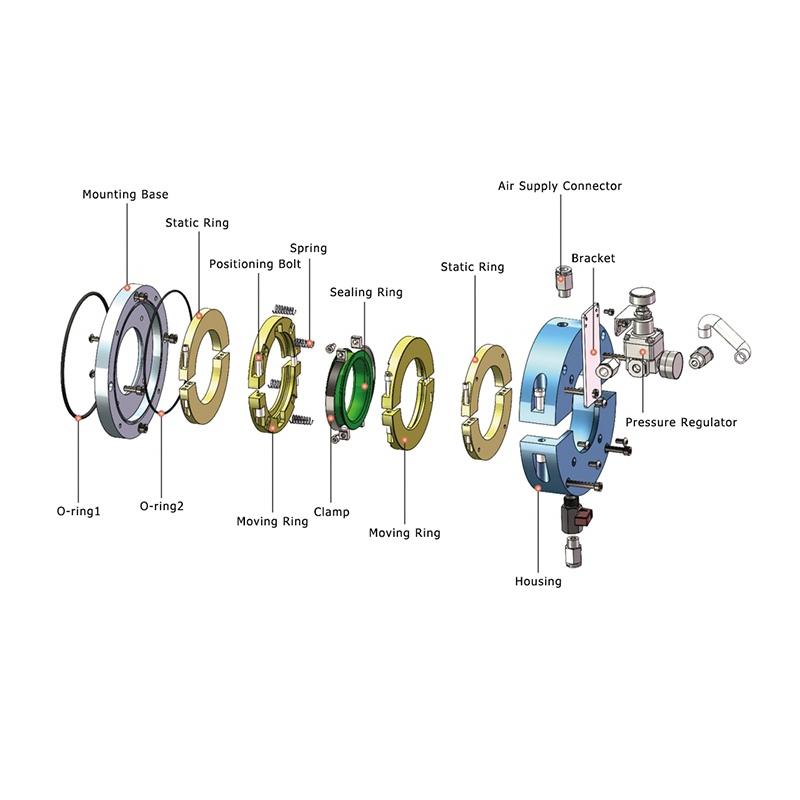
Tired of Replacing Traditional Seals Again and Again? Believe Makes Maintenance a Thing of the Past!
Believe’s self-developed High-Performance Rotary Shaft Seal delivers durability up to 5 times longer than conventional seals. Its floating rotary ring design eliminates mechanical friction, while the adaptive sealing structure reduces main shaft wear, ensuring extended service life and reliable performance.
-
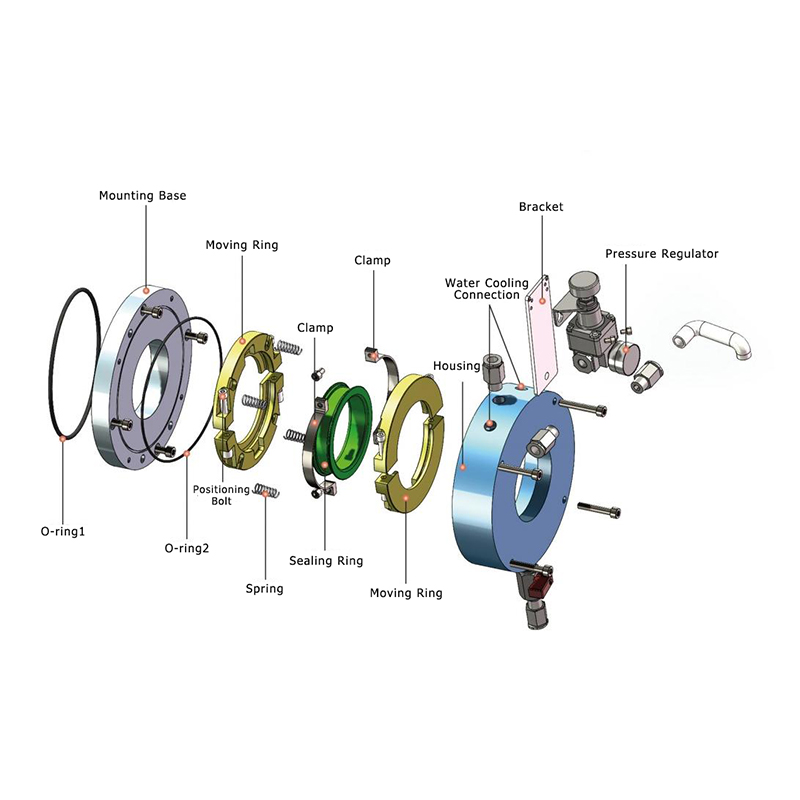
The Ultimate Dustproof and Corrosion-Resistant Solution for Lithium Battery Material Production!
Believe Rotary Shaft Seals have conquered one of the biggest challenges in the new energy lithium battery industry—powder leakage control. Our patented sealing layer creates a robust barrier against nano-scale powders, ensuring equipment stability even under extreme operating conditions.
-
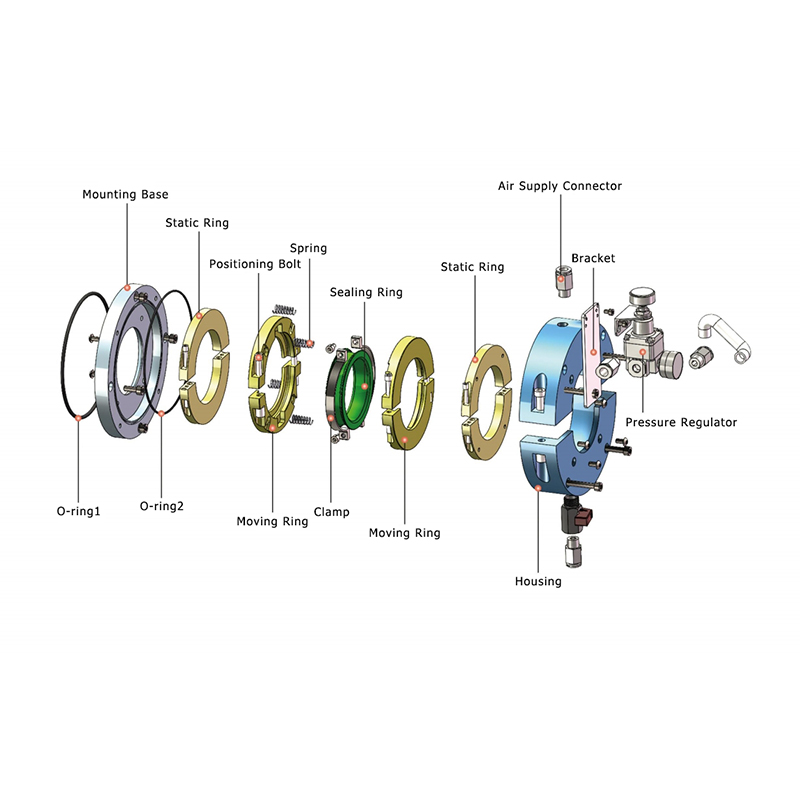
The Ultimate Solution to Hygienic Sealing Challenges in the Food and Pharmaceutical Industry!
Believe’s High-Performance Rotary Shaft Seal is specifically engineered to meet stringent food-grade requirements, with all shaft seal components fully compliant with national food-contact material safety standards. It eliminates the common issues of traditional seals, such as frequent leakage and shaft surface damage, ensuring long-term reliability and safety.
-
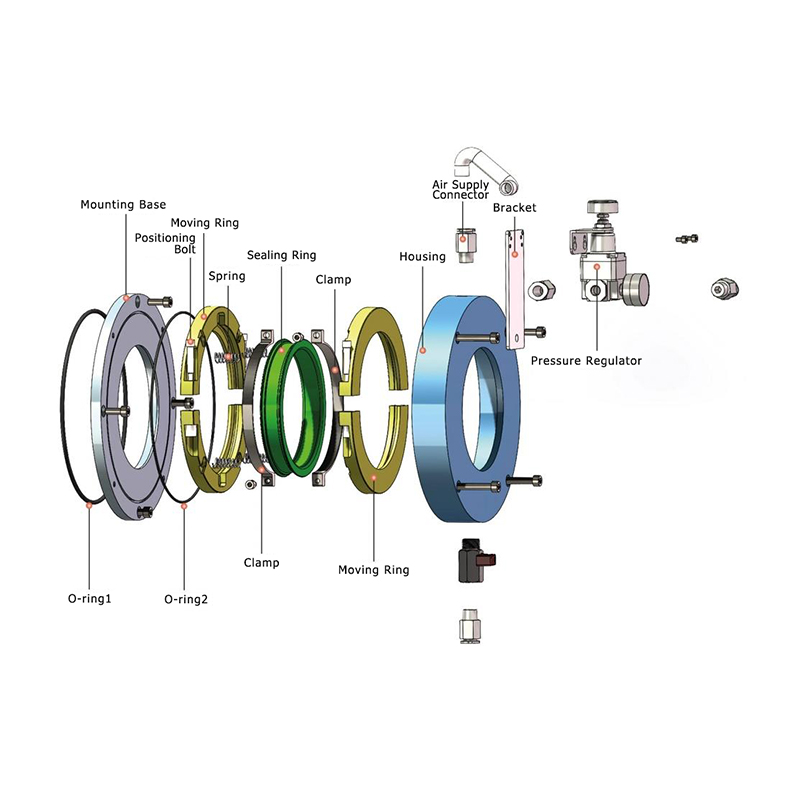
The Sealing Technology Revolution Is Here!
As a leading innovator in high-end sealing solutions, Believe introduces its High-Performance Rotary Shaft Seal, certified under National High-Tech Enterprise standards and the ISO9001 Quality Management System.
-
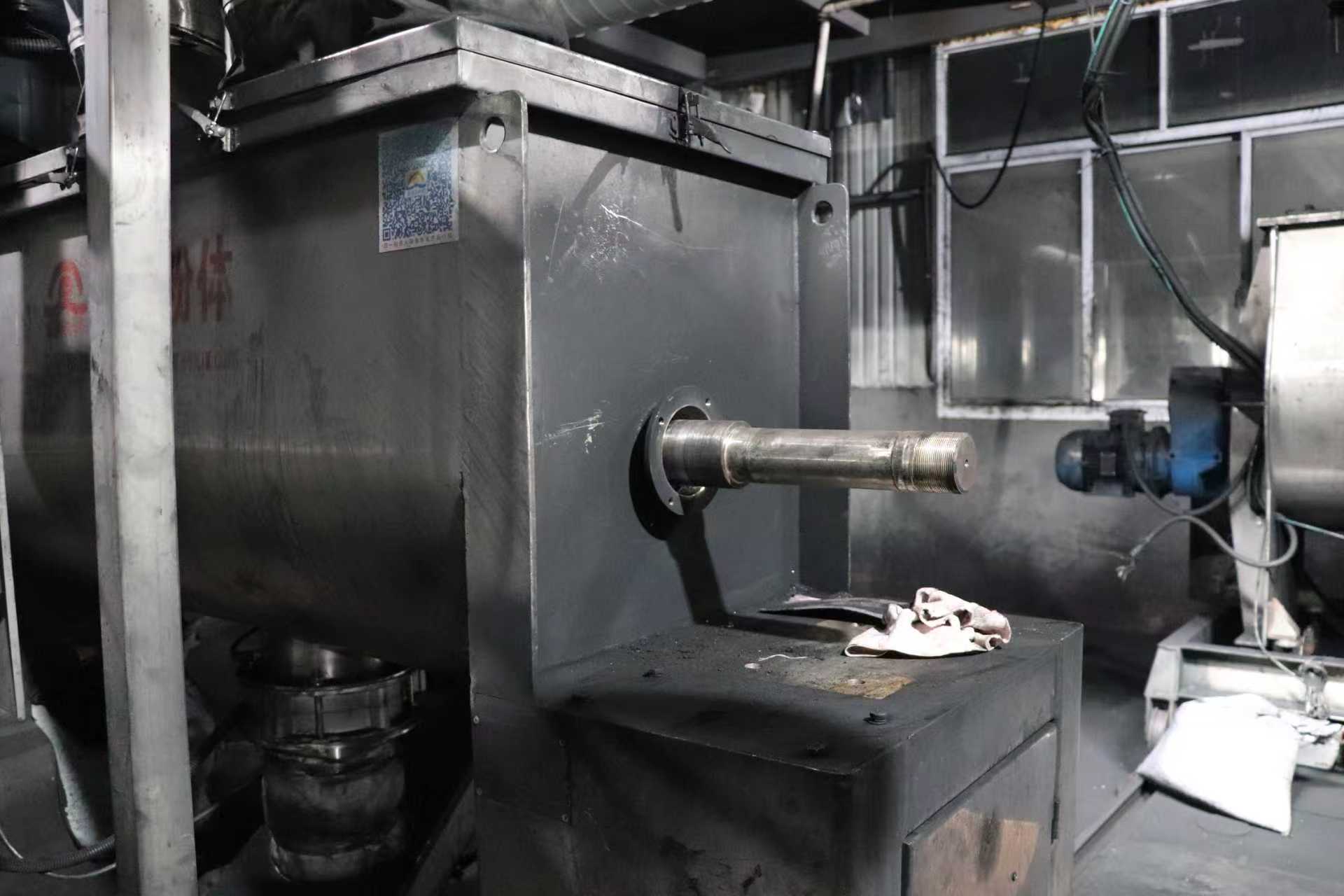
Witnessing a Masterbatch Factory Powder Leakage: This "Darkness" Isn't Exaggerated
Some people often say we deliberately exaggerate the dangers of powder leakage from mixers in masterbatch factories. But if you've actually been on the production line, witnessed it firsthand, and experienced it firsthand, you wouldn't have such doubts.
-
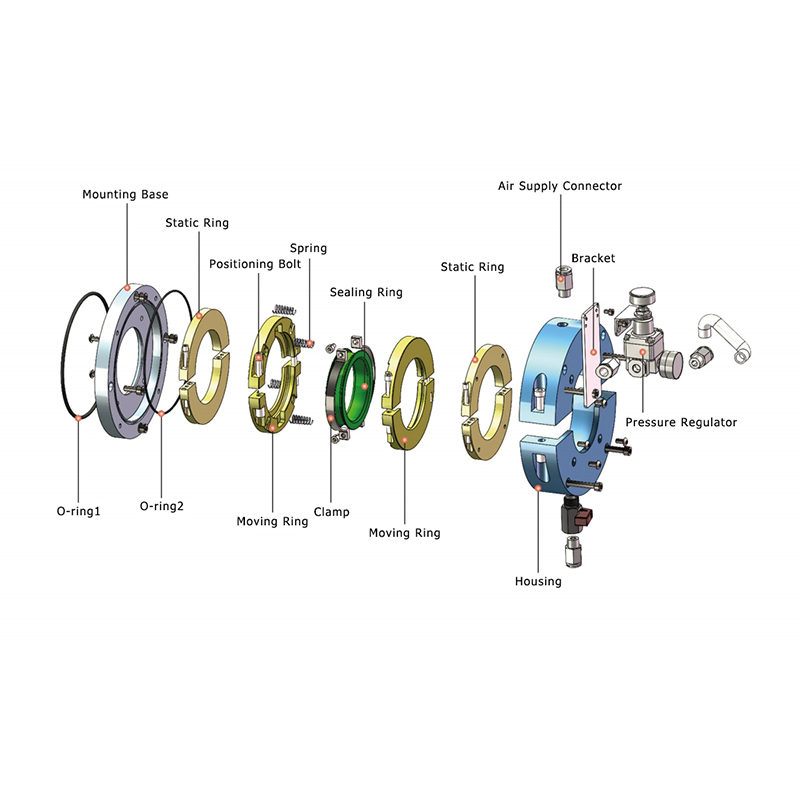
Tired Of Constant Leakage In Your Industrial Equipment? The Believe High-Performance Rotary Shaft Seal Is Here
This patented solution is specifically engineered for mixers, blenders, and kneaders, delivering a breakthrough in shaft sealing technology. Featuring an adaptive split seal design, it overcomes the limitations of traditional seals and effectively eliminates material leakage and excessive wear.
-
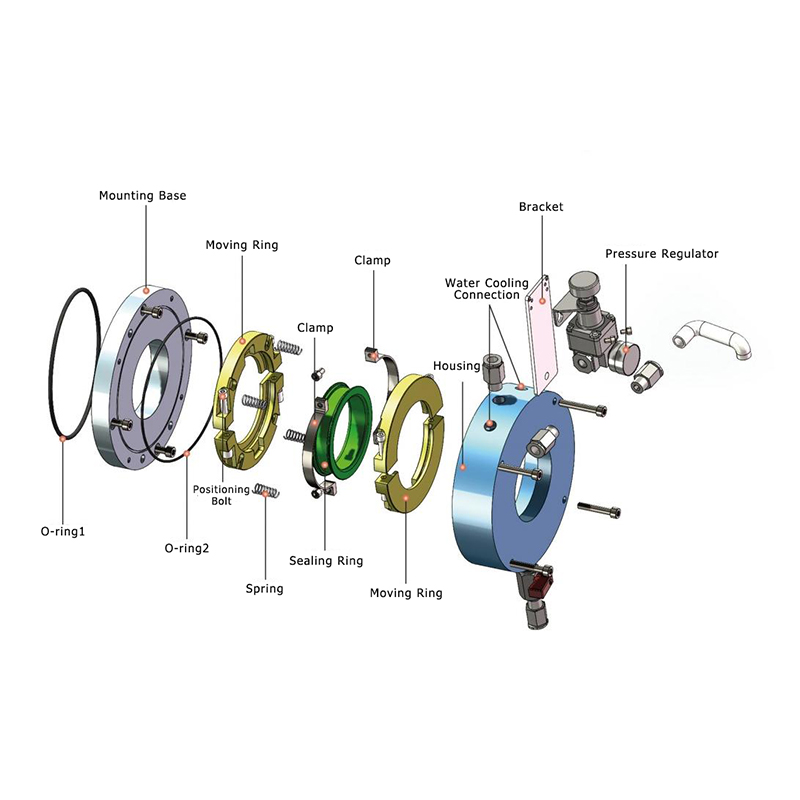
Say Goodbye to Packing Seal Leaks – Improve Your Workshop Environment and Pass Environmental Certifications with Ease!
Frequent leakage from packing seals on mixer shafts doesn’t just waste valuable material—it also drives up maintenance costs and fills your workshop with hazardous dust. The result? A harsh working environment that makes passing stringent environmental compliance audits nearly impossible.
-
Mixer Shaft End Leaking Powder Again and Again? Tired of Constant Maintenance?
Powder piling up on the floor that never seems to go away, dust lingering in the air no matter how much you clean—and the worst part: once the equipment stops, the entire production line comes to a halt, causing delays and headaches for your schedule.
-
Ribbon Mixer Leaking Powder! Now's the Time for a Rotary Shaft Seal Retrofit
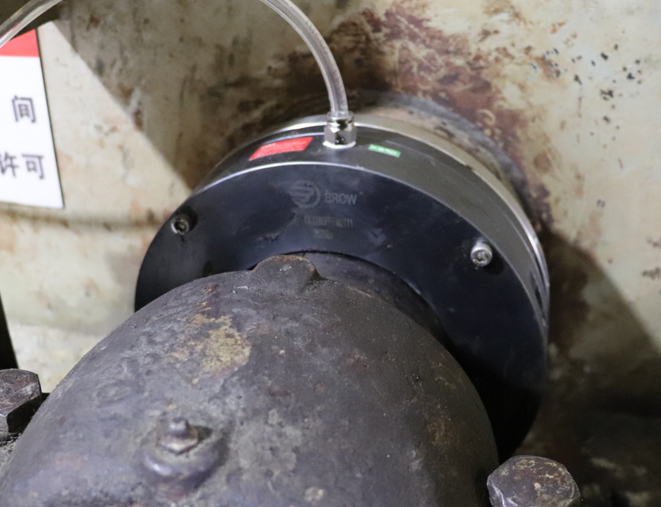
Recently, Bolifei received urgent online feedback from a customer regarding persistent powder leakage from a ribbon mixer in their production workshop. This phenomenon not only resulted in powder waste and environmental pollution, but also posed a potential threat to equipment efficiency. The customer urgently needed a targeted technical solution to address the problem.
-
Analysis of the Application of High-performance Rotary Shaft Seals in the Shaft End Seals of Ribbon Mixers
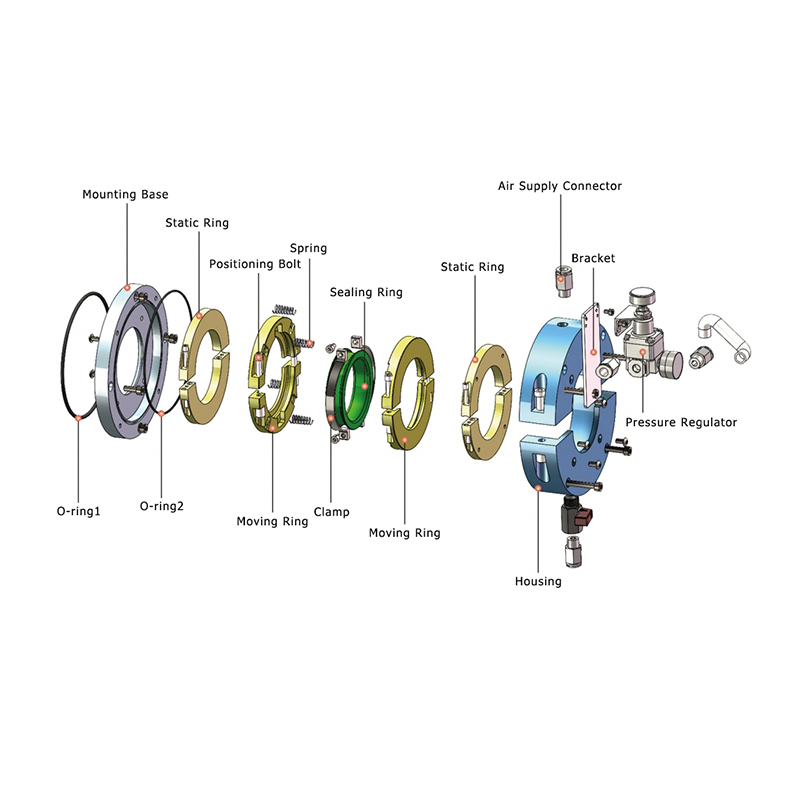
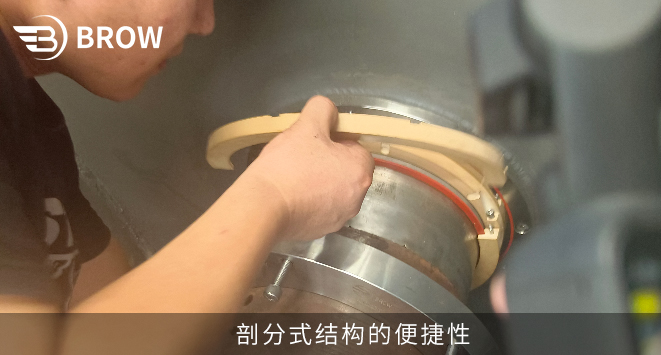
In the upgrade plan of the shaft end seals of ribbon mixers, high-performance rotary shaft seals provide a better choice for solving the leakage problem through the innovative combination of dynamic contact soft surface seals and air pressure assisted purification. This split structure design makes up for the shortcomings of traditional sealing methods in adaptability, wear resistance and maintenance convenience.
-
How To Lock The Leakage Of Listed Biological Enterprises, How To Break The 400mm Giant Shaft Seal?
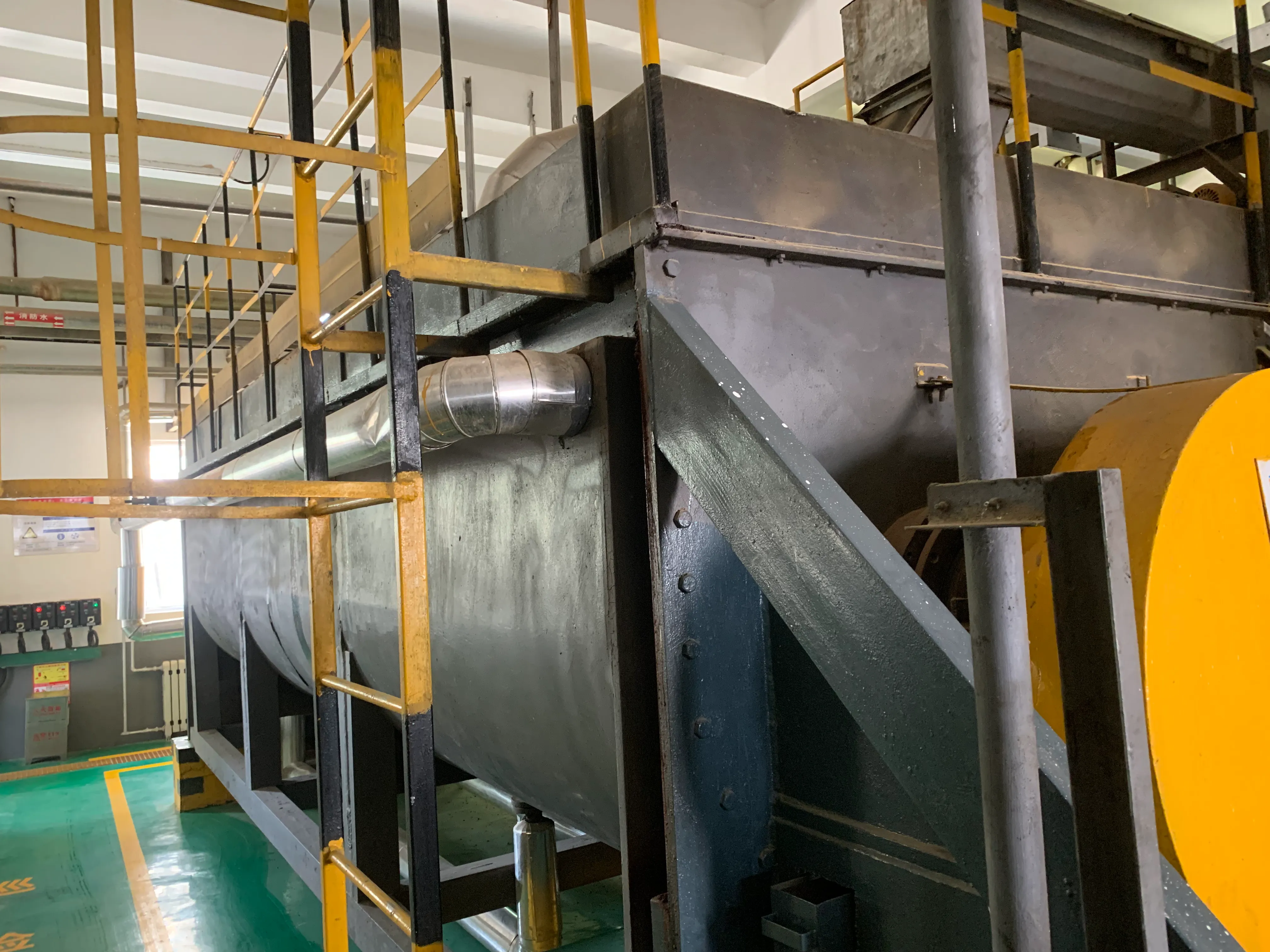
Today, we were invited to visit a large listed holding biotechnology company. Its core business is to produce high-quality protein powder, and its by-product is high-quality pet feed raw materials. The focus of this trip is locked on a key equipment-a double-shaft paddle mixer.
-
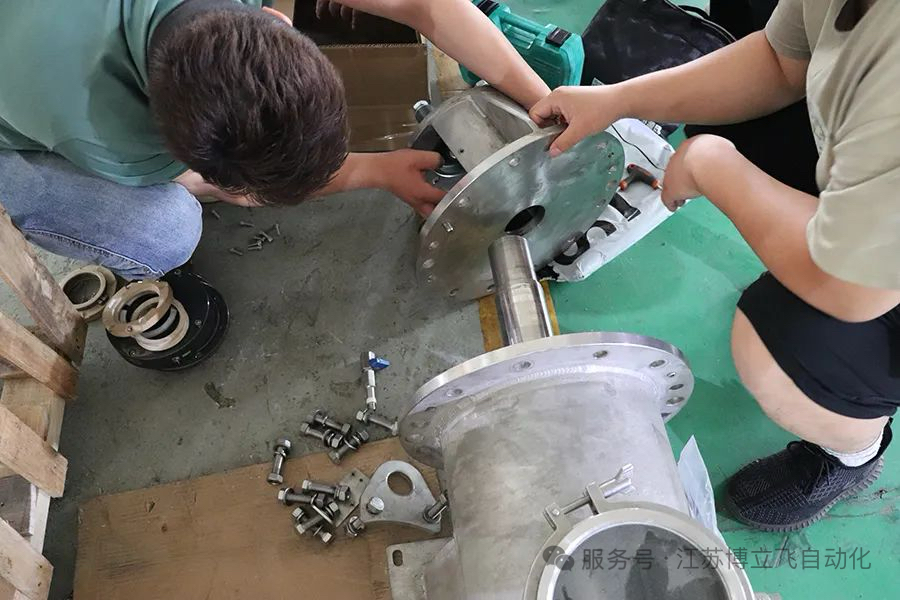
Adaptive 2mm Shaft Runout! Believe's High-Performance Rotary Shaft Seal Is Highly Recognized By Customers
Recently, the technical team of Jiangsu Believe Automation Technology Co., Ltd. successfully completed a challenging high-temperature screw conveyor shaft end sealing project in a large production enterprise. The project adopted Believe's independently developed innovative air-cooled rotary shaft seal solution, which effectively solved the long-term high-temperature material conveying sealing problem faced by customers.
-

Jiangsu Believe Presents High-Performance Rotary Shaft Seal Solutions at CIBF2025
On May 15, 2025, Shenzhen, China, the 17th China International Battery Technology Exchange Conference/Exhibition (CIBF2025) was grandly opened at the Shenzhen International Convention and Exhibition Center.
-
Innovation-Driven: Patented Technology Helps The Powder Machinery Industry Take Off
In recent years, Jiangsu Believe Automation Technology Co.,Ltd. has continuously obtained a number of international and national certifications, as well as technical patents, demonstrating its outstanding strength and innovative achievements in the powder machinery industry.
-
Introduction to Believe High-Performance Rotary Shaft Seal
Believe High-Performance Rotary Shaft Seal is an advanced performance sealing product, which is widely used in the sealing needs of various powder and slurry equipment.
-
The New Split Rotary Shaft Seal Technology Uses Peek Material To Improve Equipment Maintenance Efficiency And Production Efficiency
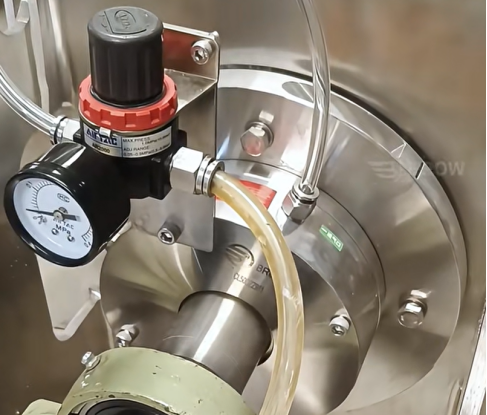
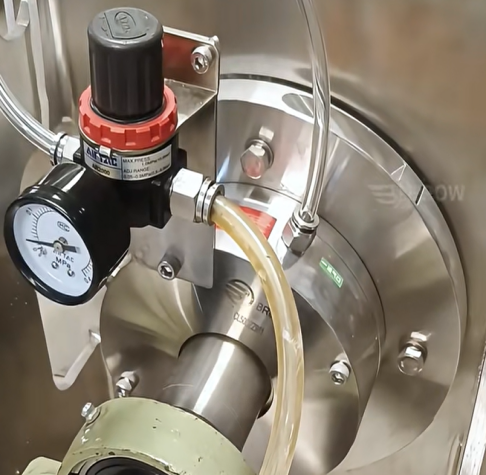
The rotary shaft seal developed by Believe uses high-temperature silicone to achieve radial sealing, while the axial sealing relies on the specific end face matching between the dynamic ring and the static ring. This shaft seal is equipped with a compressed air port, and the axial sealing effect is more reliable when the air pressure reaches 0.05 MPa or above.
-
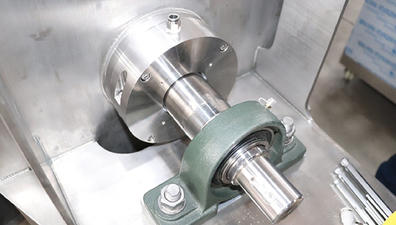
Bolifei Automation Technology Launches Innovative Rotary Shaft Seal Technology To Help Improve The Performance Of Auger Conveyor Equipment
Recently, Jiangsu Believe Automation Technology Co.,Ltd has grandly launched a disruptive technological innovation to solve the problem of powder leakage at the shaft end of the auger conveyor and provide more reliable and efficient conveying solutions for related industries.
-
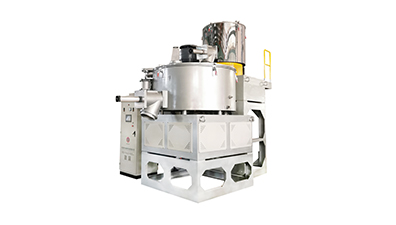
Easy Operation, Efficient Installation! Rotary Shaft Seals Help Horizontal Mixer Equipment Improve Production Efficiency
Zhejiang mixer manufacturers recently welcomed an exciting on-site guidance aimed at leading a new trend in the installation of horizontal mixer equipment. By adopting a rotary shaft seal, the manufacturer successfully improved the installation efficiency, making the whole process simple and efficient.
-
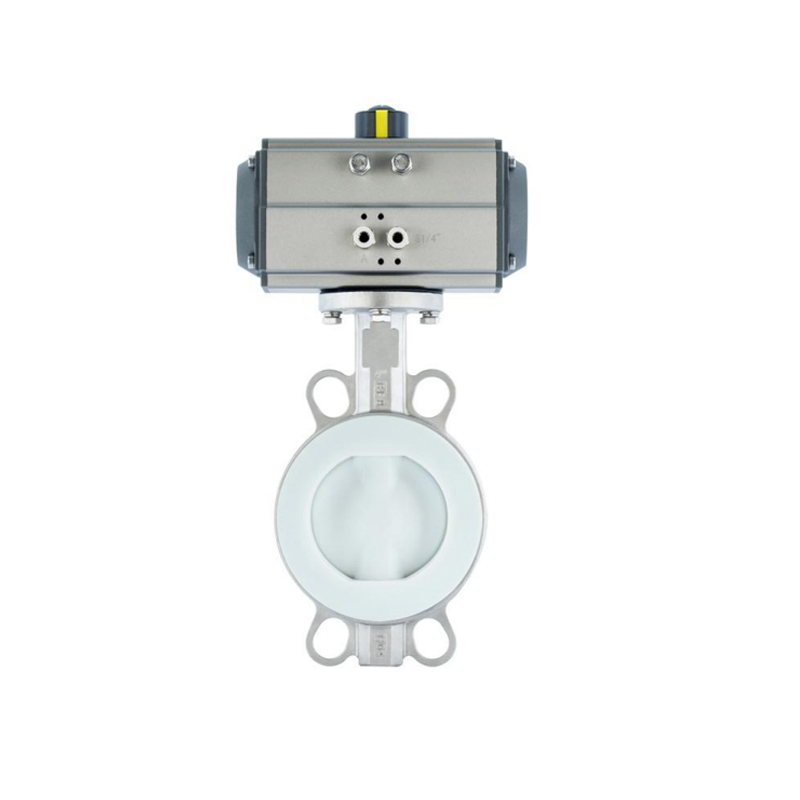
Pneumatic Fully Lined Fluoropolymer Butterfly Valve Sets New Standard for Industrial Fluid Control
As industries increasingly demand reliable and corrosion-resistant fluid control solutions, the Pneumatic Fully Lined Fluoropolymer Butterfly Valve has emerged as a key innovation.
-
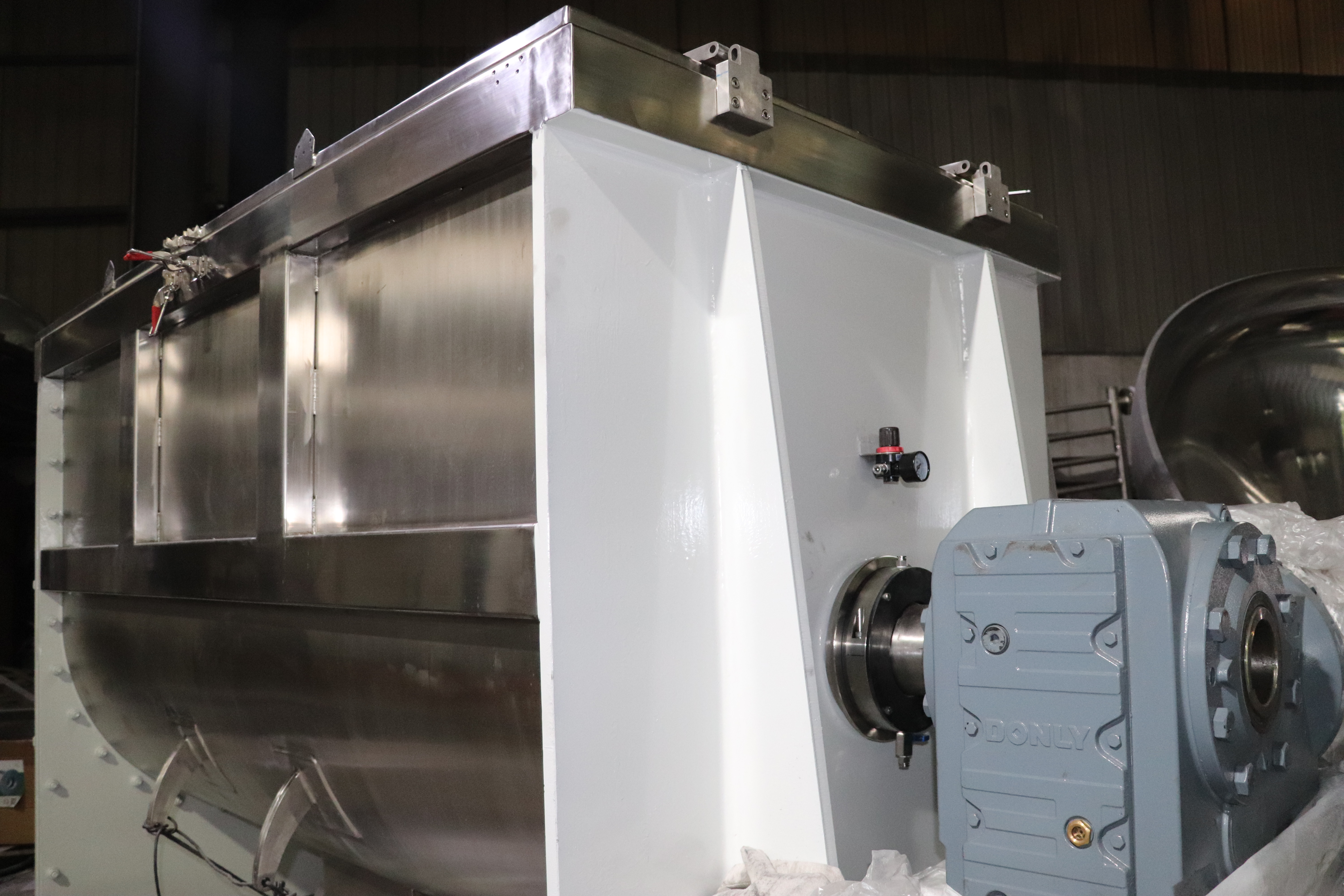
How to Prevent Shaft Wear from Damaging the Seal Contact Surface
Shaft wear at the seal contact surface is a common cause of leakage and premature seal failure in rotating equipment. Once wear grooves form on the shaft, even a new seal may struggle to maintain an effective sealing line. Preventing shaft wear is therefore essential for protecting both the seal and the overall system.
-
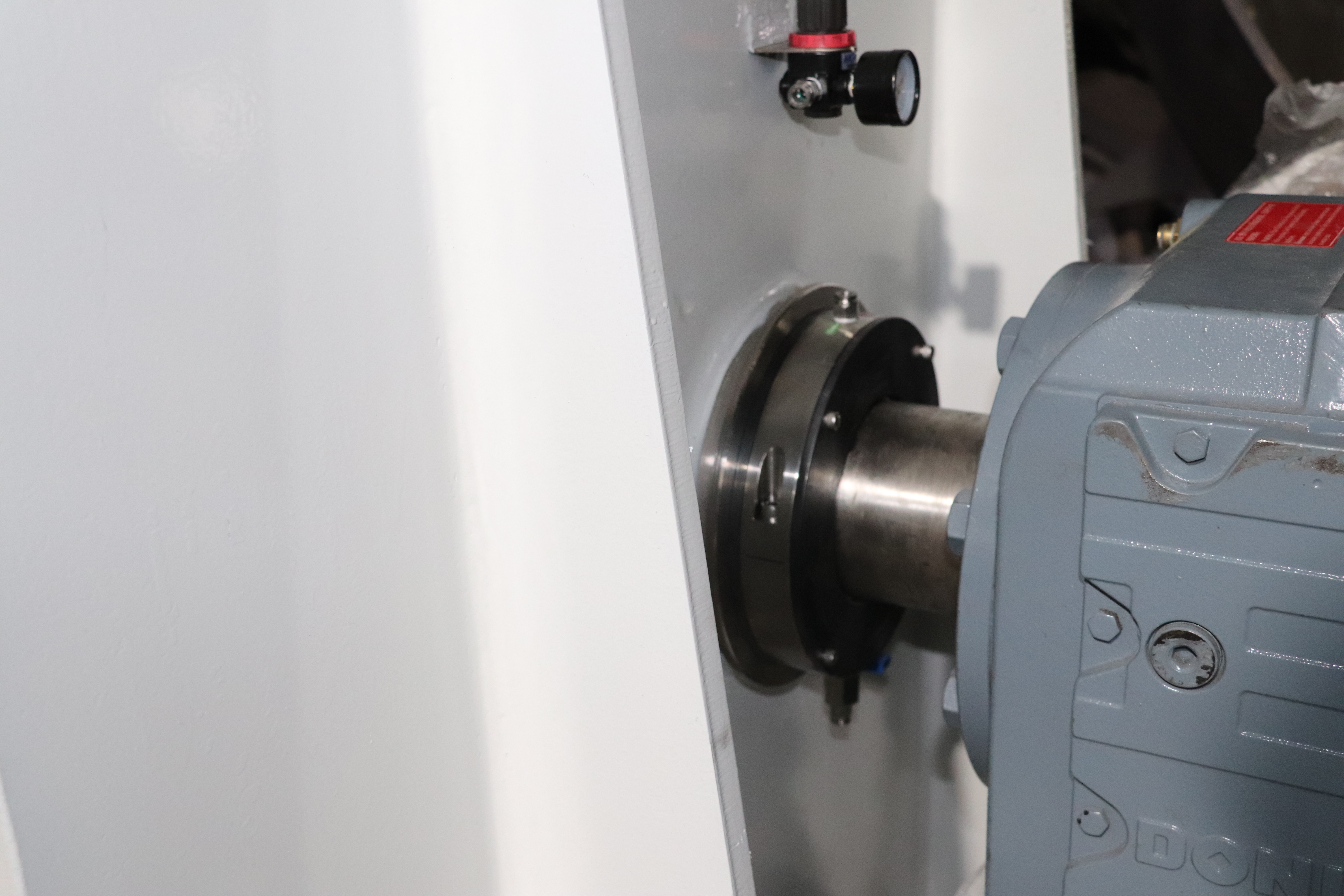
Best Rotary Shaft Seal Material for High-Speed Applications
Choosing the right rotary shaft seal material is especially important in high-speed applications, where friction, heat generation, and dynamic stress are significantly higher than in standard operating conditions. The wrong material can wear quickly, harden, or fail suddenly, while the right one ensures stable sealing and long-term reliability.
-
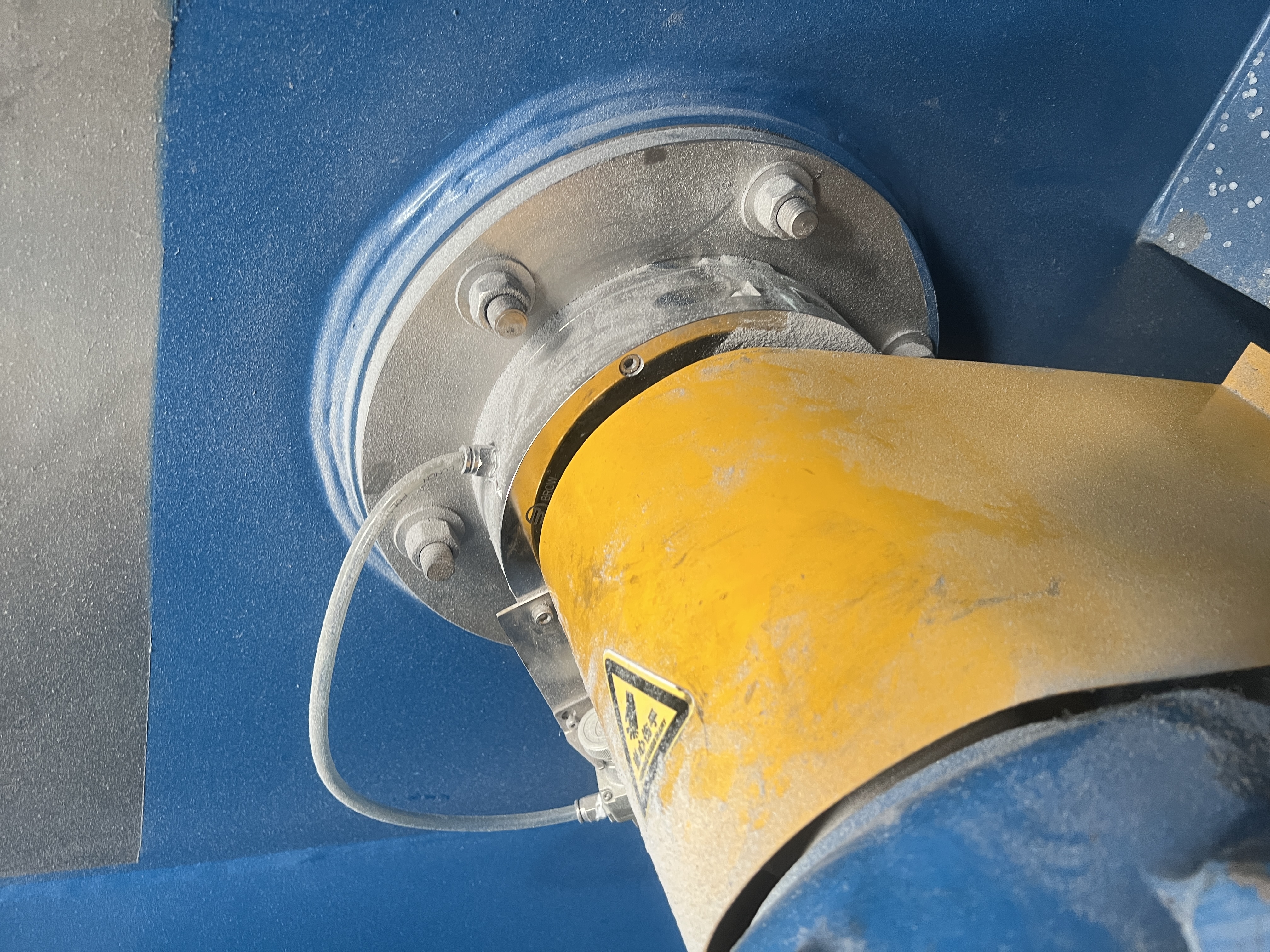
Why Is My Rotary Seal Overheating and Hardening
When a rotary seal begins to overheat and harden, it is often a warning sign that the sealing system is operating under unfavorable conditions. This problem not only reduces sealing efficiency but also increases the risk of sudden leakage and equipment damage.
-
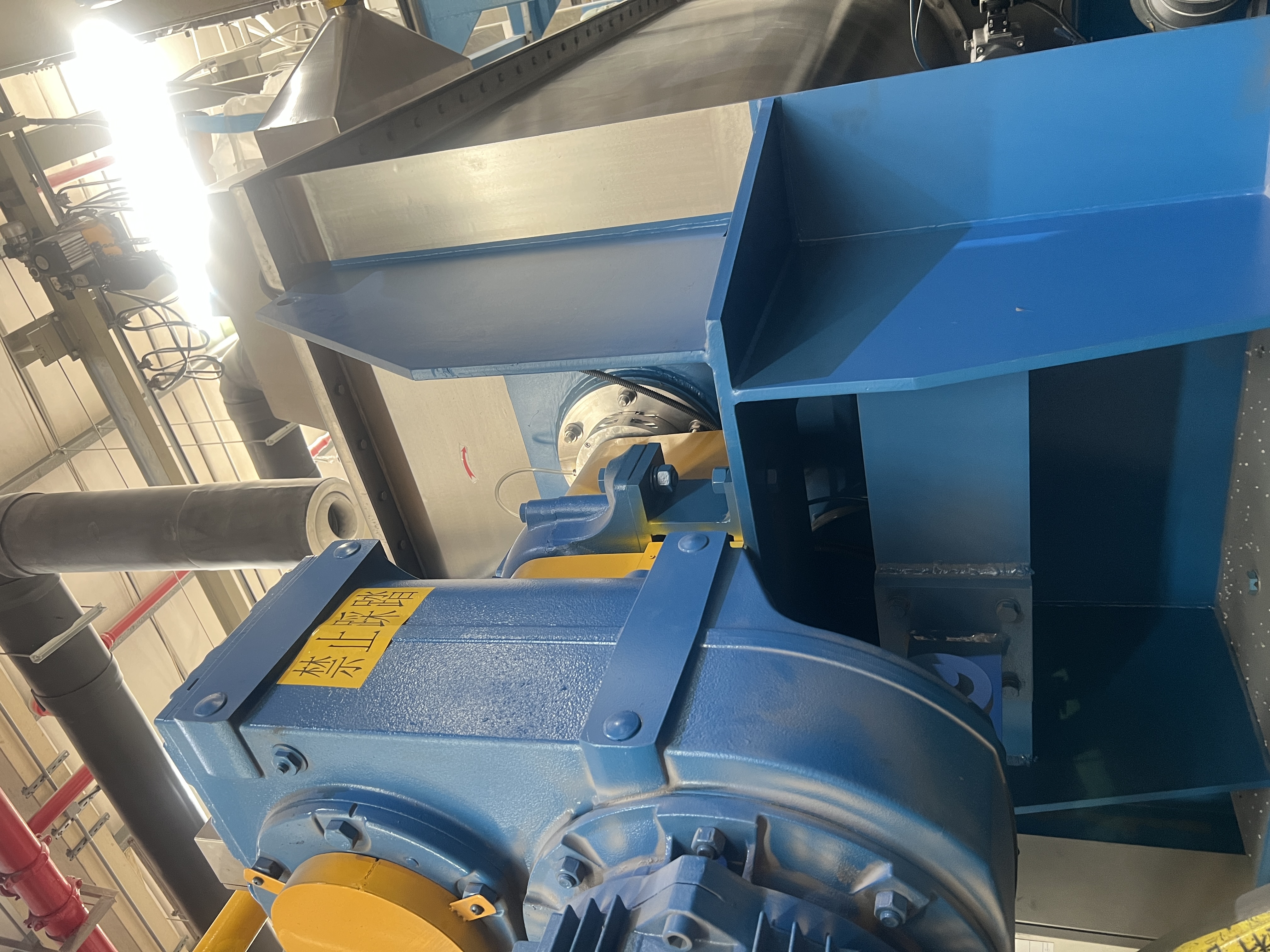
How to Install a Rotary Shaft Seal Without Damaging It
Installing a rotary shaft seal correctly is essential for ensuring reliable sealing performance and long service life. Even a high-quality seal can fail prematurely if it is damaged during installation. By following proper procedures and paying attention to detail, installers can significantly reduce the risk of leakage and early wear.
-

What Causes Rotary Shaft Seals to Leak Prematurely
Rotary shaft seals play a critical role in keeping lubricants inside machinery and preventing contaminants from entering rotating systems. When these seals fail earlier than expected, it often leads to oil leakage, equipment downtime, and increased maintenance costs. Understanding the common causes of premature leakage helps engineers and maintenance teams improve reliability and extend service life.
-

Rotary Shaft Seals in Paddle Dryers: Enhancing Efficiency and Reliability
In industrial processing, paddle dryers are widely used for drying powders, granules, and pastes in industries ranging from chemicals and pharmaceuticals to food production. A crucial yet often overlooked component in these machines is the rotary shaft seal, which ensures both operational reliability and product quality.
-
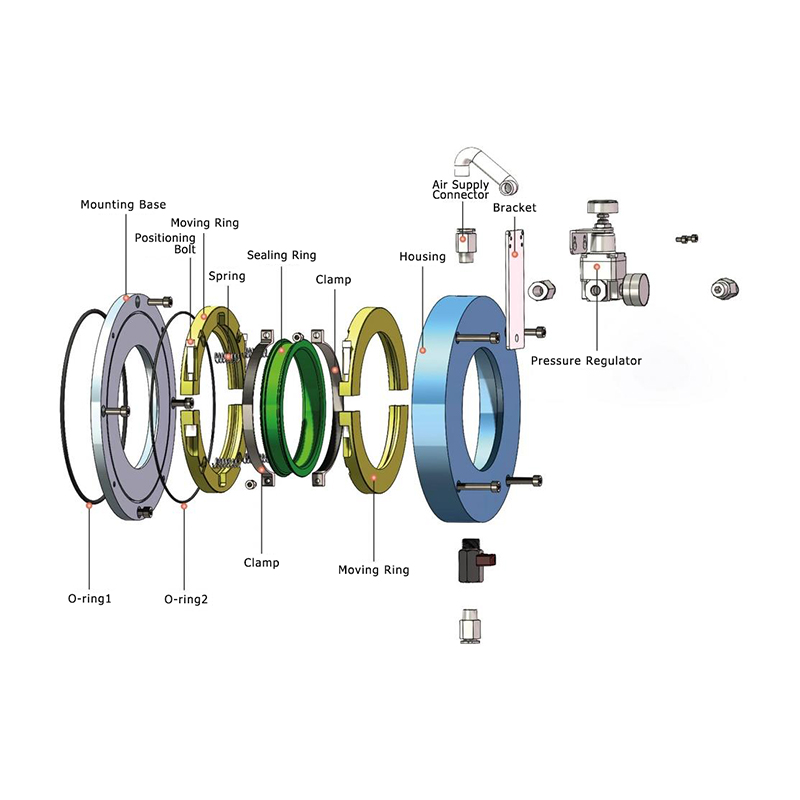
The Role of Rotary Shaft Seals in Horizontal Ribbon Blenders: Ensuring Clean, Efficient Mixing
In the world of industrial mixing, the Horizontal Ribbon Blender is widely used for blending powders, granules, and viscous materials in industries such as food processing, pharmaceuticals, and chemicals. While much attention is given to blade design and motor power, one crucial yet often overlooked component ensures the blender’s long-term performance and sanitation—the rotary shaft seal.
-
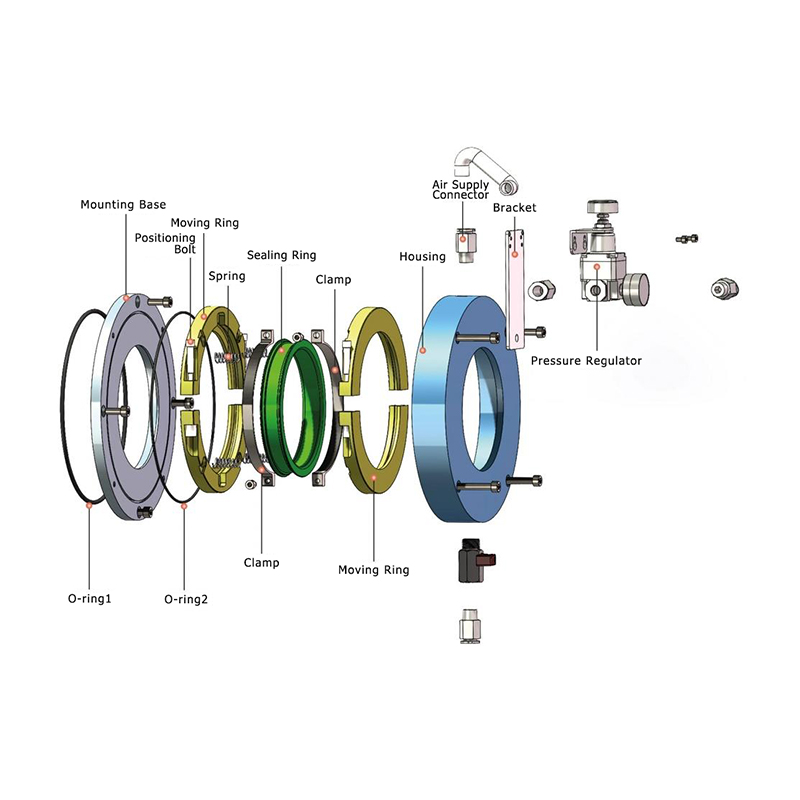
Enhancing Equipment Longevity: The Expanding Applications of Rotary Shaft Seals in Industrial Mixing and Drying Systems
In today’s fast-paced industrial landscape, reliability and efficiency are paramount, particularly in processing equipment such as Continuous Mixers, Chocolate Refiners, Paddle Dryers, and Portable Light Mixers. One essential yet often overlooked component that ensures these systems perform at their peak is the rotary shaft seal.
-
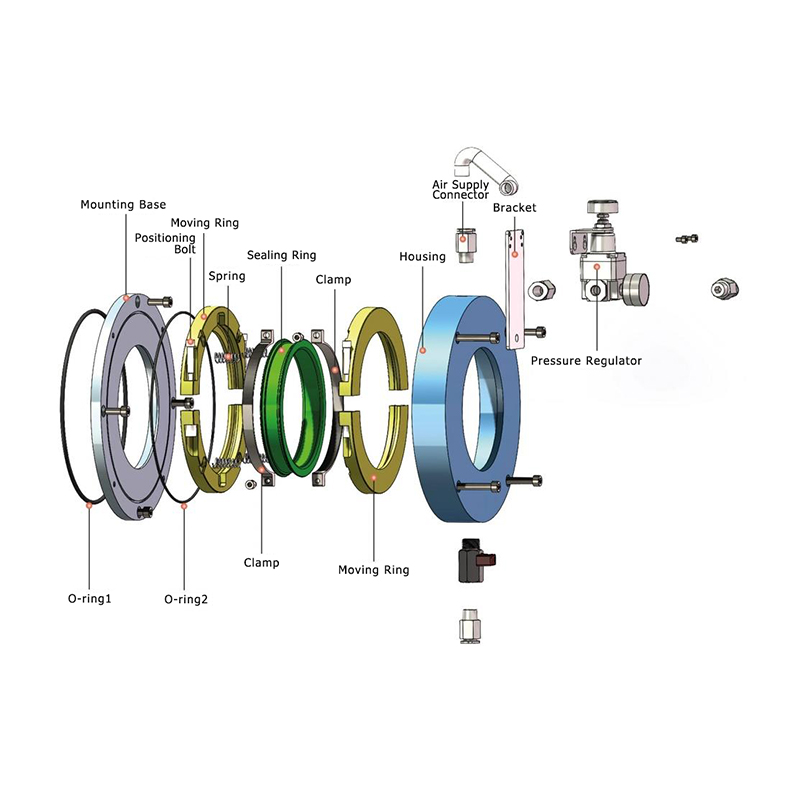
What Is the Function of the Rotary Shaft Seal
One of their primary functions is to retain lubrication inside the system. Without a proper seal, lubricating oils or greases could escape, leading to increased friction, overheating, and eventual wear of components. By keeping the lubricant in place, rotary shaft seals help ensure smooth and efficient rotation.
-
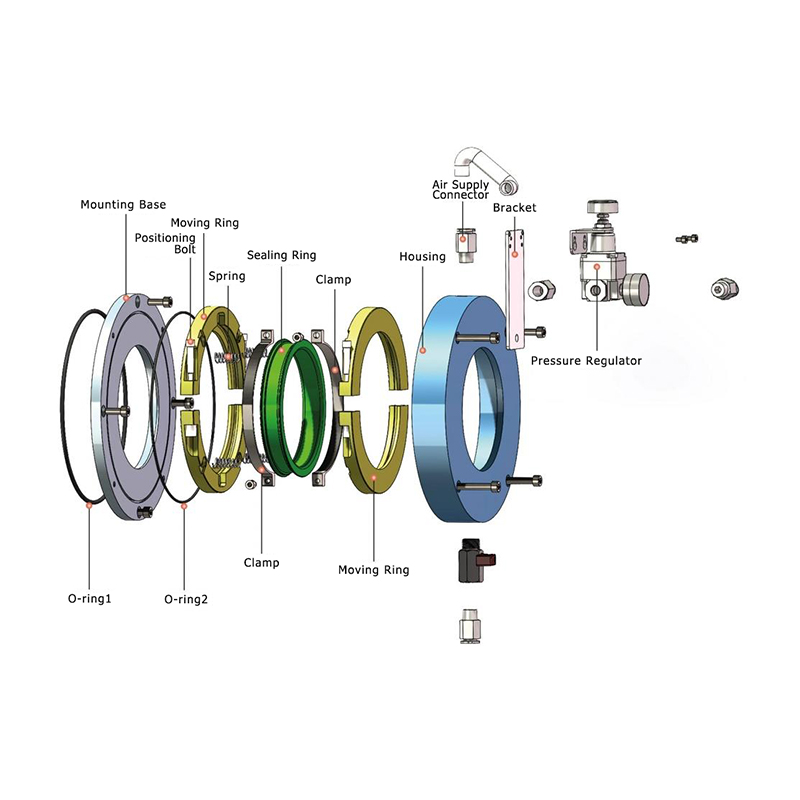
Top 5 Rotary Shaft Seals for Harsh Environments in 2025: Materials & Performance Compared
In industries where machinery operates under extreme pressure, high temperature, abrasive media, and chemical exposure, choosing the right rotary shaft seal is critical for ensuring long-term performance and system integrity. As we move into 2025, new materials and engineering innovations are pushing the limits of what rotary shaft seals can endure. This article ranks the Top 5 rotary shaft seals for harsh environments based on material composition, durability, and application performance.
-
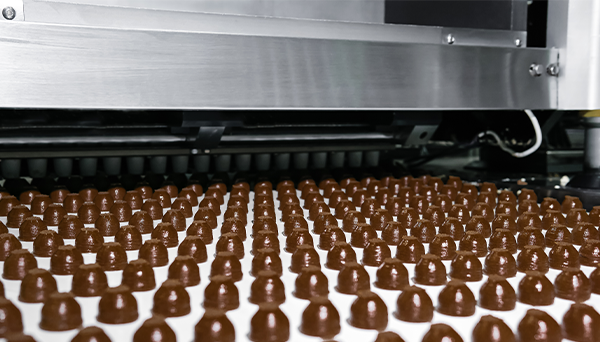
Exploring the Diverse Applications of Rotary Shaft Seals Across Modern Industries
Rotary shaft seals, also known as radial shaft seals, may appear to be simple components, but their role in industrial and mechanical systems is vital. Designed to seal the space between a rotating shaft and its housing, these seals prevent leakage of fluids while protecting against the ingress of dust, dirt, and other contaminants. Their broad utility across numerous industries highlights just how essential they are to maintaining operational efficiency and equipment longevity.
-
What Are Rotary Shaft Seals
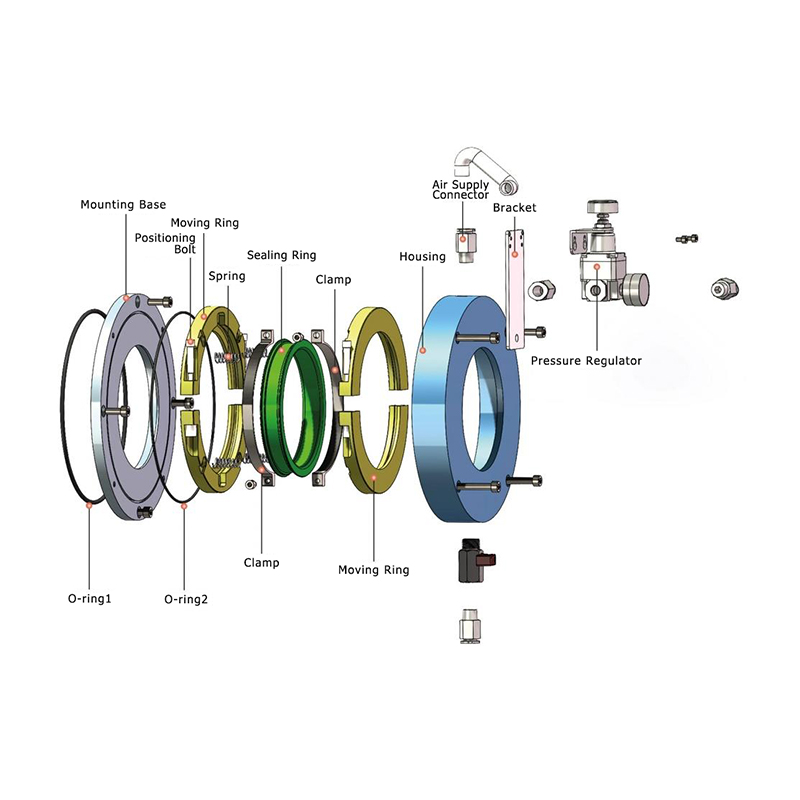
In the world of mechanical engineering and industrial manufacturing, rotary shaft seals play a vital role in ensuring equipment performance, safety, and durability. Often overlooked but critically important, these components are found in everything from automotive engines and hydraulic pumps to wind turbines and agricultural machinery. So, what exactly are rotary shaft seals, and why are they so essential?
-
Rotary Shaft Seal, The Best Helper For Horizontal Mixer Shaft End Seal
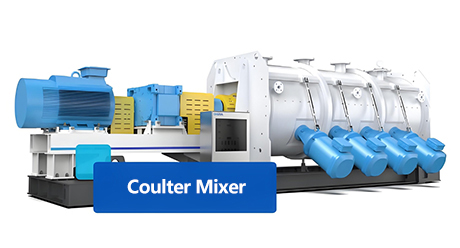
In daily mixer mixing equipment, in order to ensure the normal operation of the equipment and the stability of the process, the selection of sealing devices is particularly important. Many customers tend to choose relatively low-cost packing seals with limited budgets. Among them, packing has become the most common packing seal choice with its simple and practical characteristics.